

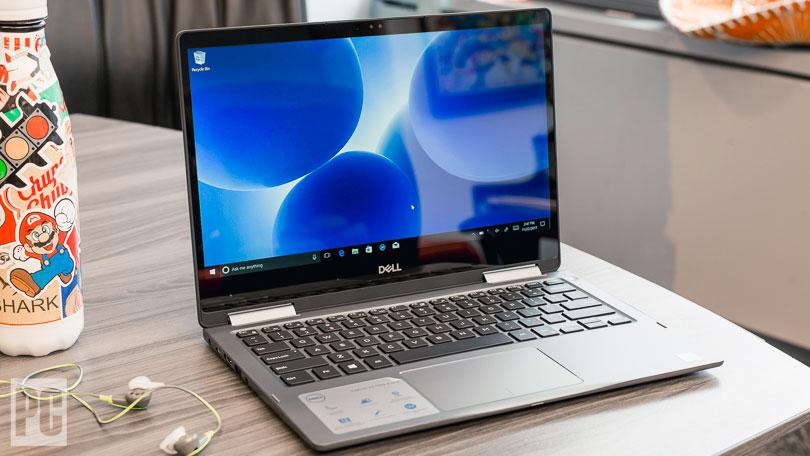
Dell is an American company in Informational Technology (IT) Industry which develops, produces and sell computer-related products (Dell 2019a). Therefore, the brand concept is to upgrade humans’ life into better experiences (Dell Technologies 2019). Dell targets a wide variety of tech savvy consumers with gaming, entertainment and business purposes (Dell 2019b). In this blog, researches are done on different peer-reviewed journal articles found from official online library of UOW to extract relevant information. I ensured that the databases are legitimate, such as ERIC, Scopus and PsycINFO (University of Wollongong Australia 2019). Moreover, I identified the Digital Object Identifier (DOI) of journal articles, that identify true sources of articles and increase dependability (American Psychological Association 2019).
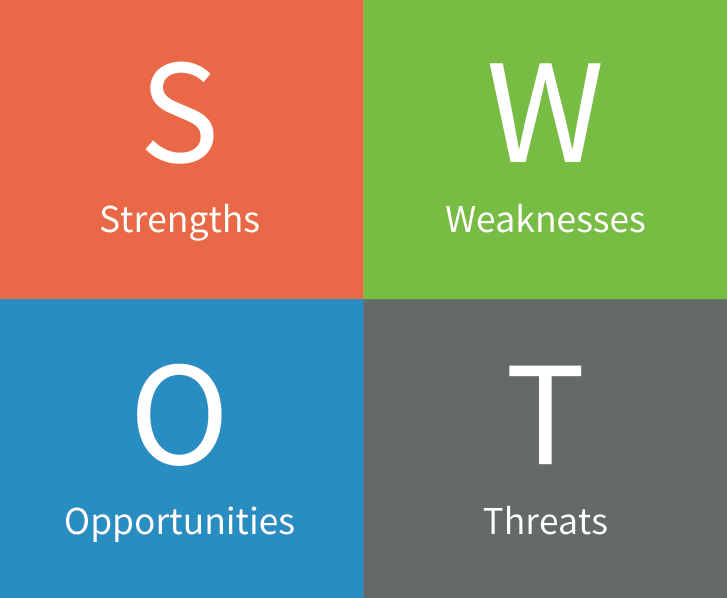
SWOT Analysis is applied on Dell to analyse the internal condition of the company. The strength of Dell is the competitive advantage as ‘first-mover’ in market, as their heavy investment in Research and Development activities allow them to innovate and launch products before other competitors do (Dell Technologies Inc. 2018, p. 4). However, according to Dell Inc. (2018, p. 5), the weakness is their increasing amount of trade receivables, which signals higher risk of insufficient cash flow. Dell faces opportunity of increasing needs in management of big data, thus Dell can offer data management product portfolio (Dell Inc. 2016, p. 6). The threat is its extremely high cost of maintaining the brand image of ‘First to Market with the Latest Technology’, as there are risks of wasting excessive capital on researching technologies that may not be in customers’ favour (Brewer 2002, p. 52).
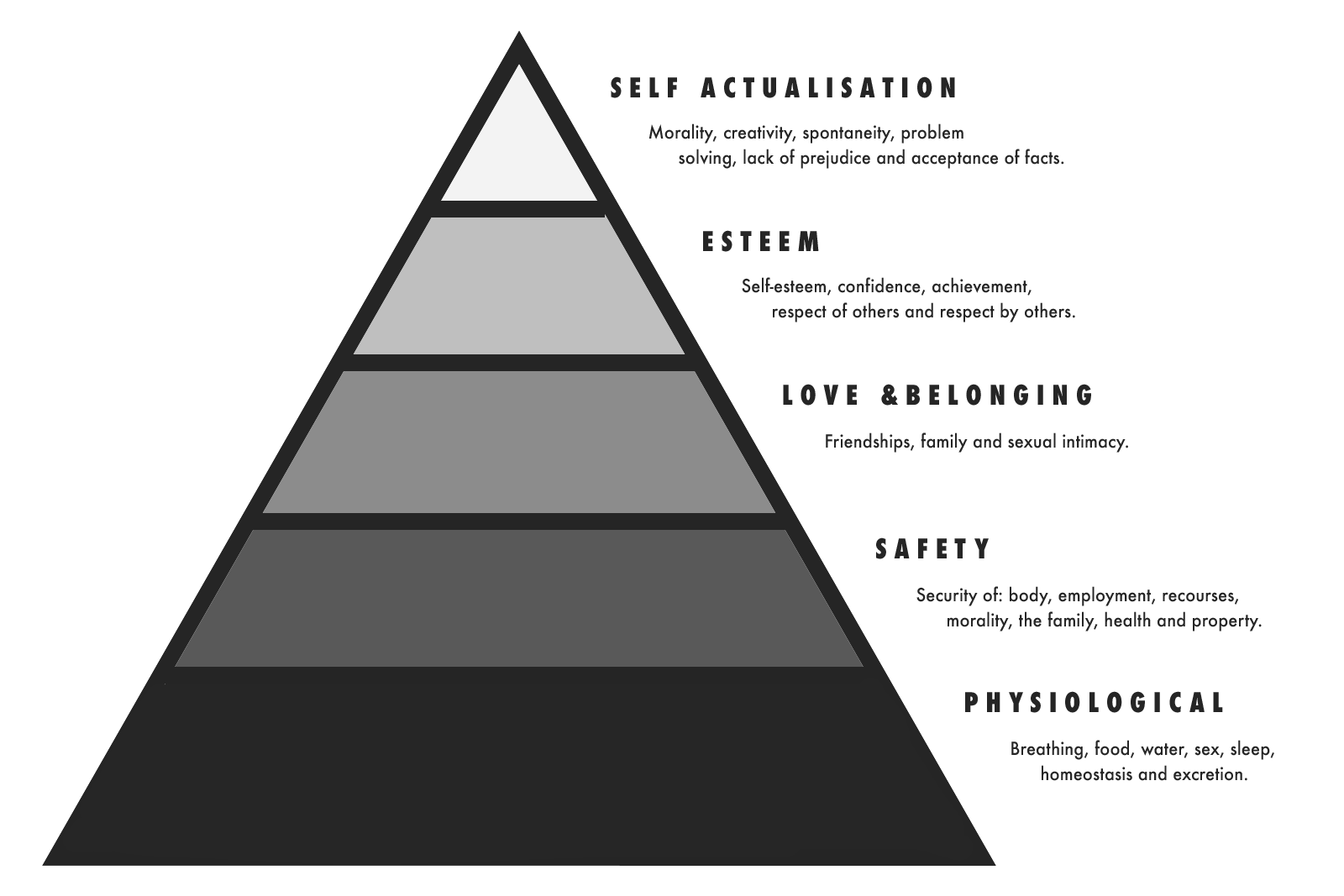
The second theory is Maslow’s Hierarchy of Needs, involving basic physiological needs to higher order needs like self-actualization needs (Stewart, Nodoushani & Stumpf 2018, p. 68). For physiological needs, Dell’s computers with Artificial Intelligence combined with Global Positioning System (GPS) within the structure of computers provide intensive knowledge regarding the nearest restaurants or accommodations, thereby assisting humans to search for the nearest restaurant and motel (Bruzzone & D’Addona 2019, pp. 582-583; Hanson 2019). The sense of security serves as a protection from physical or emotional harm, which is the Safety Needs (Thielke et al. 2012, pp. 473-476). Dell offers computers that can be connected to Internet through reception of Wi-Fi features on computers, allowing people to get access to unlimited information regarding job vacancy to secure resources like income (Dell 2019c). Social Need means the desire to have a sense of belonging, which is fulfilled through the usage of computers as communication medium, in terms of video call like video conference, and voice call that allows gamers to gain the sense of belonging when playing games (Cao et al. 2013, p. 171; Dell 2019c). Esteem Need is defined as the sense of achievement felt by individual and the respects gained from others (Thielke et al. 2012, p. 473). It’s fulfilled by simply owning the computer, the possession enhance Status Consumers’ status level, as the consumption of the computer represents status of above-average wealth to purchase the computers (Kasuma, Luna & Panie 2014, p. 4; Oxford Royale Academy 2017). Self-actualization Needs is the need to maximize own potential and life purpose, which Dell’s computers allow greater exploration of knowledge to pursue the border of intellectual potential (Barnes & Pressey 2012, pp. 41-42).

Thirdly, the theory of Extended Self is applied, which is the illusion of our self-image projected to the world through our consumption and possession behaviours (Ruvio & Belk 2018, p. 102). Consumers purchase Dell’s products, because the desired self-image or status level can be achieved from the possession and consumption of Dell’s products (Kasuma, Luna & Panie 2014, p. 4). Certain products produce stereotypical image of the generalized users, in turn increase consumers’ willingness to purchase the products if the ‘product user image’ is congruent with the self-image that the consumer portrays (Bennett & Vijaygopal 2018, p. 500). Therefore, in the case of Dell, which their brand identity is more down-to-earth and they focus on creating growth and thrift, Dell had succeeded in attracting many customers that prefer the practicality of Dell’s products for daily usage (Dell 2010).
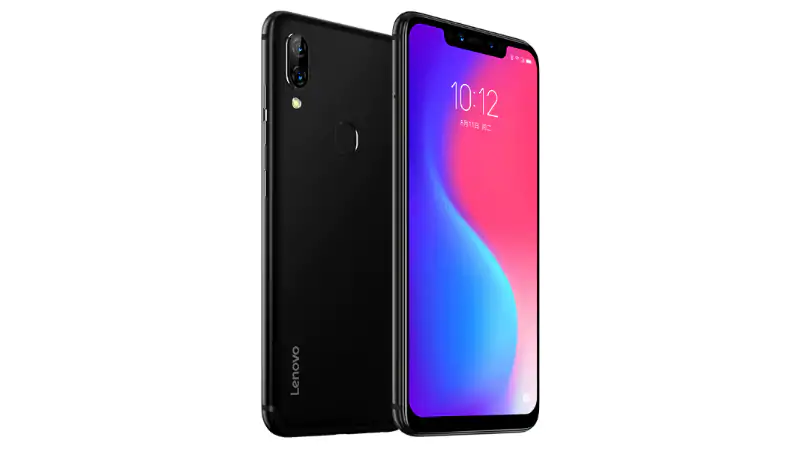
Now I will discuss three different brands in the same industry of IT industry, which are Dell, Apple and Lenovo, which are well-known computers brand in 2019 (Lee 2019). SWOT Analysis simplifies internal and external factors of an organization (Leiber, Stensaker & Harvey 2018, p. 352). Lenovo’s strength is their strong partnership with leading multinational companies like BMW, which increases their customer base (Lenovo Group Ltd. 2018, p. 3). However, Lenovo had experienced damages in their brand reputation because Lenovo was forced to recall the lithium-ion batteries in their ThinkPad notebook (Lenovo Group Ltd. 2017, p. 5). In terms of opportunity, Lenovo can further widen geographic presence in India by introducing new S5 Prowith smartphones with Artificial Intelligence (AI) four cameras to enhance the function of taking photos (Lenovo Group Ltd. 2018, p. 6). The threat faced by Lenovo, is the intense competition in the market that requires Lenovo to compete on a large varieties of factors such as price, quality and technology, thus Lenovo requires high level of research to understand what consumers really want (Jurevicius 2013).
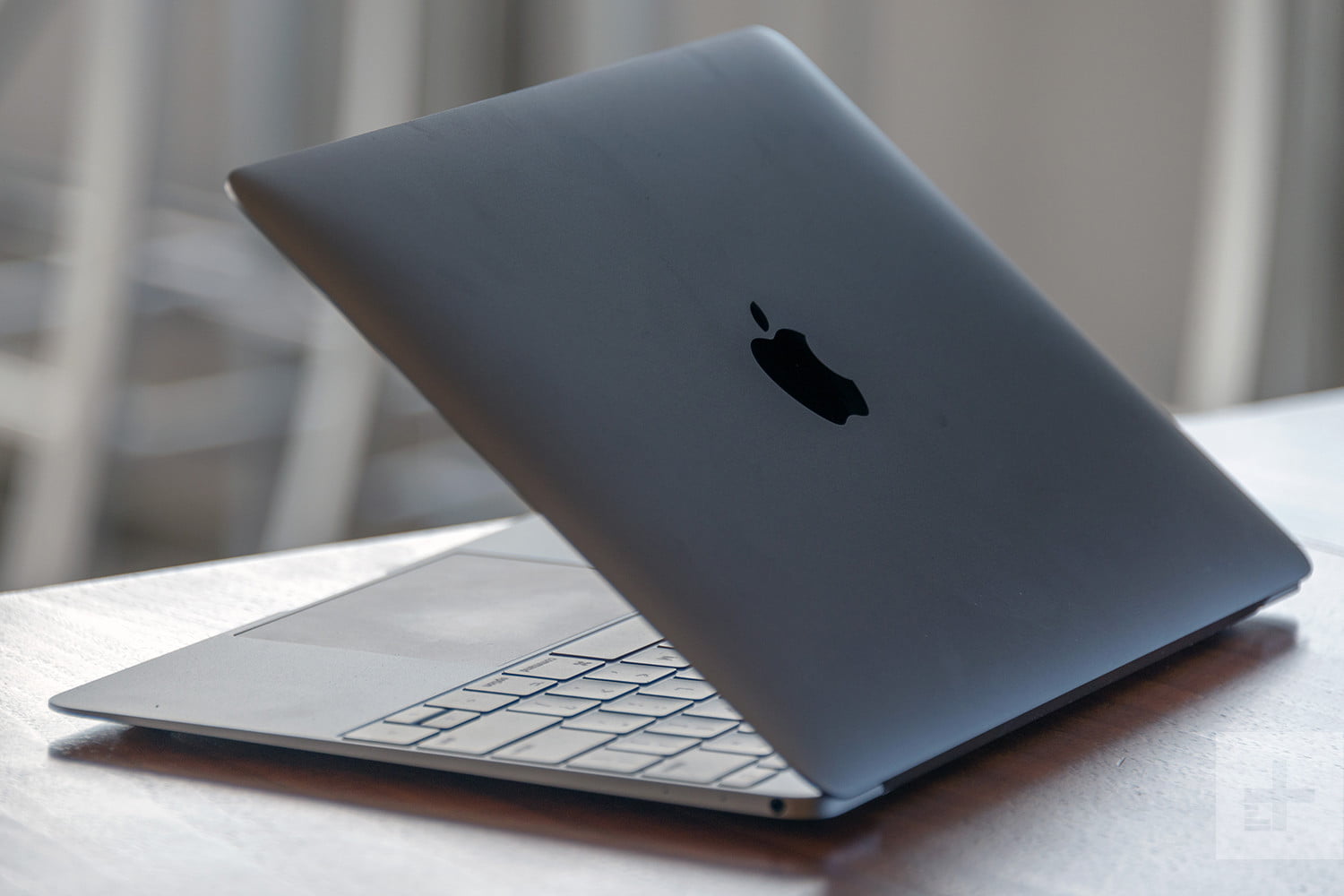
According to Schiffman et al. (2014, p. 134), the consumers’ possessions of a product define, confirm and extent their own images, which is known as Extended Self. There are many customers of Apple use Apple’s products to construct an enhanced identity of being minimalistic and elegant through the simplistic designed gadgets with only few metallic colours, which had become a competitive advantage because the brand identity associates with customers’ desired personality (Segall 2016). Moreover, Apple’s rapidly large innovations created the brand personality of rule-breaking, thus attracting young-adults to possess Apple products as a trendsetter and increase their self-esteem (Gehani 2016, p. 15; Wang, Chan & Yang 2013, p. 54).
Maslow’s Theory of Motivation used on Dell shows that people are motivated to satisfy each need progressively (Bridgman, Cummings & Ballard 2019, p. 81). Physiological need is the basic human needs such as the need to consume water, can be satisfied through researches done by user on Dell’s computers that connect to Wi-Fi, on the methods to extract water in extreme situations, which may be useful for user to satisfy needs in future situation such as being stranded at sea (Stewart, Nodoushani & Stumpf 2018, p. 72; United States Geological Survey n.d.). Safety need is the sense of security that people need, it may be satisfied from the attainment of knowledge (Acevedo 2018, p. 747). Computers allow users to learn skills such as Microsoft Office, which provide job security to employees because the possessions of skills reduce the probability of being fired (Herschbach 1995, p. 40). Social needs cover the relationships that an individual has with others (Hale et al. 2019, p. 112). Dell created an online community for Dell users to share their experiences and expertise, which provides a sense of belonging through communicating on common topics (Gangi, Wasko & Hooker 2010, pp. 217-218). Self-esteem is the confidence acquired from one’s self (Harrigan & Commons 2015, p. 24). It’s fulfilled through one’s contribution to the world, which one gains confidence and respect through creation of own products, such as the usage of Dell’s computers to make digital arts (Gerstein 2014). People that want to fulfil Self-actualization Need tend to explore and realize their potential through internal goals (Compton 2018, p. 3). Dell’s technologies deliver accessibility of information to ensure better results of job, thereby achieving time-savings so that people can focus on more fulfilling tasks in life (Link 2018).
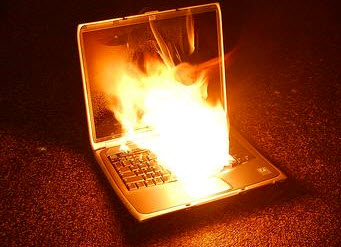
Dell as a computer manufacturer had faced multiple times of crises that were caused by their batteries within their computers (Krazit 2006; Lenovo Group Ltd. 2017, p. 5). Therefore, the reputation of Dell was poorly damaged for years and reduce the potential of Dell to charge at a premium price like Apple (Yoon et al. 2014, p. 2089). Furthermore, Dell faced security issues regarding massive cyber-attack that hacked into Dell’s database, and caused dissatisfactions across users because Dell changed every password of the users in the system without informing the users about the matter beforehand (Griffin 2018). This incident caused Dell to lose customers’ loyalty because negative word-of-mouth will be spread and adversely affect Dell’s revenues (Griffin 2018; Yildiz 2017, pp. 81-82). Dell also faced defects in their Hybrid Power Adapters that pose electric shock risk to consumers (Anisha Impex Ltd. 2019). Therefore, Dell is losing customers, because computers-related items are easily substitutable by other brands like Apple and Lenovo (Hui 2004, p. 688).

<https://www.youtube.com/watch?v=t2JVHOmWATU>
Viral marketing is a type of marketing strategy which purposely allow certain marketing information to spread in a form of word-of-mouth (WOM), thereby achieving higher market adoption (Zhong et al. 2018, p. 1). Lenovo used the idea of “goodweird”, with the purpose of being different to make the world better (Maddison 2017; Paharia, Avery & Keinan 2014, p. 649). Lenovo had used social media influencers in making a video regarding a dance off by people from three far-distanced continents, which the collaborations with the social influencers whom people are familiar with and the integration of unique cultures in the dances, had proven high effectiveness in creating positive customers’ perception and increased brand awareness (Lenovo 2015; Maddison 2017). The evolved concept of eWord-of-Mouth, which online consumers spread marketing messages through online channels catalyse the viral marketing effect (Liang & Corkindale 2019, pp. 50-51).

PEST Analysis analyses external factors in a business environment (Jedel & Antonowicz 2018, p. 202). However, in this blog I only focus on Social factor that affect Apple, which includes the socioeconomic environment such as the attitudes of people (Post 2018). Apple’s sales are declining because consumers are lacking emotional attachment to Apple’s products, as Apple’s skimming pricing strategy of charging very high price at first and lower it over time to skim the maximum benefits from the market caused consumers to feel exploited (Eptings 2015; Ghosh 2019; Liu 2010, p. 429). Consumers were used to be obsessed with whatever Apple produced, because Apple was known as the brand that sold the most advanced technologies, and consumers had the consumer-product relationship that recognize the advanced product as part of his or her identity as being in higher social classes (Krishna 2017; Wyzowl n.d.). However, MacBooks and iPhones are designed similarly, thus the ownership of new and old gadgets is harder to be noticed, thereby reducing consumers’ emotional attachment to Apple products (Siegal 2018). Furthermore, other brands like Huawei and Samsung are developing better technologies, thus increasing probability of customers switching brands to feel better about themselves by having the more advanced gadgets (Active Telecoms 2016).
(1477 words)
References
Acevedo, A 2018, ‘A Personalistic Appraisal of Maslow’s Needs Theory of Motivation: From “Humanistic” Psychology to Integral Humanism’, Journal of Business Ethics, vol. 148, no. 4, pp. 741–763, accessed 16/4/2019,
<https://search-ebscohost-com.ezproxy.uow.edu.au/login.aspx?direct=true&db=heh&AN=128733460&site=eds-live>.
Active Telecoms 2016, ‘Huawei’s great ambition to outcompete Apple and Samsung’, Active Telecoms, 9 June, accessed 20/4/2019,<http://www.activetelecoms.com/index.php/news/telecom-industry/telecom-vendors/huawei-s-great-ambition-to-outcompete-apple-and-samsung>.
American Psychological Association 2019, What is a digital object identifier, or DOI?, accessed 19/4/2019,
<https://www.apastyle.org/learn/faqs/what-is-doi>.
Anisha Impex Ltd. 2019, ‘Dell recalls Hybrid Power Adapters; device likely to pose shock risk’, The Economic Times, 11 February, accessed 17/4/2019, <https://economictimes.indiatimes.com/magazines/panache/dell-recalls-hybrid-power-adapters-device-likely-to-pose-shock-risk/articleshow/67944682.cms>.
Barnes, SJ & Pressey, AD 2012, ‘Who Needs Real-Life? Examining Needs In Virtual Worlds’, The Journal of Computer Information Systems, vol. 52, no. 4, pp. 40-48, accessed 5/4/2019, <http://ey9ff7jb6l.search.serialssolutions.com.ezproxy.uow.edu.au/?genre=article&&issn=08874417&title=Journal%20of%20Computer%20Information%20Systems&volume=52&issue=4&date=20120101&atitle=Who%20needs%20real-life?%20examining%20needs%20in%20virtual%20worlds&spage=40&pages=40-8&sid=EBSCO:Inspec&au=Barnes,%20S.J.#?>.
Bennett, R & Vijaygopal, R 2018, ‘Consumer attitudes towards electric vehicles: Effects of product user stereotypes and self-image congruence’, European Journal of Marketing, vol. 52, no. 3/4, pp. 499–527, accessed 8/4/2019,
<https://search-ebscohost-com.ezproxy.uow.edu.au/login.aspx?direct=true&db=edswss&AN=000428707000003&site=eds-live>.
Brewer, P 2002, ‘Putting Strategy into the Balanced Scorecard’, Strategic Finance, vol. 83, no. 7, pp. 44-52, accessed 31/3/2019,
<http://ezproxy.uow.edu.au/login?url=https://search.ebscohost.com/login.aspx?direct=true&db=edb&AN=5781961&site=eds-live>.
Bridgman, T, Cummings, S & Ballard, J 2019, ‘Who Built Maslow’s Pyramid? A History of the Creation of Management Studies’ Most Famous Symbol and Its Implications for Management Education’, Academy of Management Learning & Education, vol. 18, no. 1, pp. 81–98, accessed 16/4/2019,
<https://search-ebscohost-com.ezproxy.uow.edu.au/login.aspx?direct=true&db=bth&AN=135629874&site=eds-live>.
Bruzzone, AA & D’Addona, ADM 2019, ‘Mind, machines and manufacturing: a philosophical essay on machining’, Procedia CIRP, vol. 79, pp. 580–585, accessed 4/4/2019,
<http://ezproxy.uow.edu.au/login?url=https://search.ebscohost.com/login.aspx?direct=true&db=edselp&AN=S2212827119302082&site=eds-live>.
Cao, H, Jiang, J, Oh, L, Li, H, Liao, X & Chen, Z 2013, ‘A Maslow’s hierarchy of needs analysis of social networking services continuance’, Journal of Service Management, vol. 24, no. 2, pp. 170-190, accessed 1/4/2019,<http://ey9ff7jb6l.search.serialssolutions.com.ezproxy.uow.edu.au/?genre=article&ID=doi:10.1108/09564231311323953&issn=17575818&title=Journal%20of%20Service%20Management&volume=24&issue=2&date=20130419&atitle=A%20Maslow\%27s%20hierarchy%20of%20needs%20analysis%20of%20social%20networking%20services%20continuance&spage=170&pages=170-190&sid=EBSCO:Emerald%20Insight&au=Huanhuan%20Cao#? >.
Compton, WC 2018, ‘Self-Actualization Myths: What Did Maslow Really Say?’, Journal of Humanistic Psychology, accessed 16/4/2019,
<https://search-ebscohost-com.ezproxy.uow.edu.au/login.aspx?direct=true&db=edselc&AN=edselc.2-52.0-85044364754&site=eds-live>.
Dell 2010, Dell Brand Identity Standards, accessed 8/4/2019, <http://portacreativeserver.com/vault/manualescorporativos/BRANDBOOK%20DELL.pdf>.
Dell 2019a, About Dell, accessed 29/3/2019, <https://www.dell.com/learn/us/en/uscorp1/corp-comm?~ck=mn>.
Dell 2019b, Shop At Home, accessed 29/3/2019,
<https://www.dell.com/en-us/shop?~ck=mn>.
Dell 2019c, New Alienware M17 Gaming Laptop, accessed 1/4/2019, <https://www.dell.com/en-us/shop/cty/pdp/spd/alienware-m17-laptop?view=configurations>.
Dell Inc. 2016, Company Profile: Dell Inc. SWOT Analysis, pp. 1–8, accessed 30/3/2019,
<http://ezproxy.uow.edu.au/login?url=https://search.ebscohost.com/login.aspx?direct=true&db=bth&AN=117903797&site=eds-live>.
Dell Inc. 2018, Company Profile: Dell Inc. SWOT Analysis, pp. 1–7, accessed 30/3/2019,
<http://ezproxy.uow.edu.au/login?url=https://search.ebscohost.com/login.aspx?direct=true&db=bth&AN=131273278&site=eds-live>.
Dell Technologies 2019, What We Do, accessed 29/3/2019, <https://www.delltechnologies.com/en-us/what-we-do.htm>.
Dell Technologies Inc. 2018, Company Profile: Dell Inc. SWOT Analysis, pp. 1–7, accessed 30/3/2019,
<http://ezproxy.uow.edu.au/login?url=https://search.ebscohost.com/login.aspx?direct=true&db=bth&AN=134619109&site=eds-live>.
Eptings, N 2015, ‘Apple Inc. PESTLE Analysis’, PESTLE Analysis, 19 October, accessed 20/4/2019,
<https://pestleanalysis.com/apple-pestle-analysis/>.
Gangi, PMD, Wasko, MM & Hooker, RE 2010, ‘Getting Customers’ Ideas to Work for You: Learning from Dell How to Succeed with Online User Innovation Communities’, MIS Quarterly Executive, vol. 9, no. 4, pp. 213–228, accessed 16/4/2019, <https://search-ebscohost-com.ezproxy.uow.edu.au/login.aspx?direct=true&db=bth&AN=58657253&site=eds-live>.
Gehani, RR 2016, ‘Corporate brand value shifting from identity to innovation capability: From Coca-Cola to Apple’, Journal of Technology Management and Innovation, vol. 11, no. 3, pp. 11–20, accessed 13/4/2019,
<https://search-ebscohost-com.ezproxy.uow.edu.au/login.aspx?direct=true&db=edselc&AN=edselc.2-52.0-84991758971&site=eds-live>.
Gerstein, J 2014, ‘Addressing Maslow’s Hierarchy of Needs with Technology’, User Generated Education, 12 March, accessed 16/4/2019, <https://usergeneratededucation.wordpress.com/2014/03/12/addressing-maslows-hierachy-of-needs-with-technology/>.
Ghosh, S 2019, ‘Apple’s stubborn refusal to make a cheap iPhone resulted in its biggest sales decline in 3 years’, Business Insider Malaysia, 21 February, accessed 20/4/2019, <https://www.businessinsider.my/apple-biggest-iphone-sales-decline-in-3-years-gartner-says-2019-2/?r=US&IR=T>.
Griffin, A 2018, ‘Dell Changes Every User’s Password After Cyber Attack That Could Have Leaked Data’, Independent UK, 29 November, accessed 17/4/2019,<https://www.independent.co.uk/life-style/gadgets-and-tech/news/dell-password-change-email-update-pc-computer-a8658836.html>.
Hale, AJ, Ricotta, DN, Freed, J, Smith, CC & Huang, GC 2019, ‘Adapting Maslow’s Hierarchy of Needs as a Framework for Resident Wellness’, Teaching & Learning in Medicine, vol. 31, no. 1, pp. 109–118, accessed 16/4/2019,
<https://search-ebscohost-com.ezproxy.uow.edu.au/login.aspx?direct=true&db=rzh&AN=135461936&site=eds-live>.
Hanson, M 2019, The best rugged laptops of 2019: we test drop-proof laptops for working outside, accessed 4/4/2019,
<https://www.techradar.com/sg/news/best-rugged-laptops>.
Harrigan, WJ & Commons, ML 2015, ‘Replacing Maslow’s Needs Hierarchy With an Account Based on Stage and Value’, Behavioral Development Bulletin, vol. 20, no. 1, pp. 24–31, accessed 16/4/2019,
<https://search-ebscohost-com.ezproxy.uow.edu.au/login.aspx?direct=true&db=ehh&AN=117796180&site=eds-live>.
Herschbach, DR 1995, ‘Technology as Knowledge: Implications for Instruction’, Journal of Technology Education, vol. 7, no. 1, pp. 31–42, accessed 16/4/2019,
<https://search-ebscohost-com.ezproxy.uow.edu.au/login.aspx?direct=true&db=eric&AN=EJ513065&site=eds-live>.
Hui, KL 2004, ‘Product Variety Under Brand Influence: An Empirical Investigation of Personal Computer Demand’, Management Science, vol. 50, no. 5, pp. 686–700, accessed 17/4/2019,
<https://search-ebscohost-com.ezproxy.uow.edu.au/login.aspx?direct=true&db=heh&AN=13244093&site=eds-live>.
Jedel, J & Antonowicz, P 2018, ‘Evaluation and development prospects of the sports and recreation market in Poland in 2000-2030. PEST analysis from a legal, economic, socio-cultural and technological perspective’, Baltic Journal of Health & Physical Activity, vol. 10, no. 4, pp. 202–212, accessed 20/4/2019,
<https://search-ebscohost-com.ezproxy.uow.edu.au/login.aspx?direct=true&db=s3h&AN=134349207&site=eds-live>.
Jurevicius, O 2013, ‘SWOT Analysis of Lenovo’, Strategic Management Insight, 16 February, accessed 13/4/2019,
<https://www.strategicmanagementinsight.com/swot-analyses/lenovo-swot-analysis.html>.
Kasuma, J, Luna, DN & Panie, R 2014, ‘Acquiring Luxury Women Headbands: Buying to Impress Others or Self-fulfillment?’, in Conference: 2nd International Conference on Communication, Media & Society 2014 (iCOMES2014), Anggrek Shopping Hotel, Bandung, Indonesia, February 25-26.
Krazit, T 2006, ‘Dell to recall 4 million batteries’, CNET, 20 December, accessed 17/4/2019,
<https://www.cnet.com/news/dell-to-recall-4-million-batteries/>.
Krishna, PR 2017, ‘Designing products for emotional attachment’, LinkedIn, 24 March, accessed 20/4/2019,
<https://www.slideshare.net/pudi/designing-products-for-emotional-attachment>.
Lee, K 2019, ‘Best computer 2019: the best PCs we’ve tested’, Tech Radar, 22 March, accessed 8/4/2019,
<https://www.techradar.com/sg/news/computing/pc/10-of-the-best-desktop-pcs-of-2015-1304391>.
Leiber, T, Stensaker, B & Harvey, LC 2018, ‘Bridging Theory and Practice of Impact Evaluation of Quality Management in Higher Education Institutions: A SWOT Analysis’, European Journal of Higher Education, vol. 8, no. 3, pp. 351–365, accessed 12/4/2019, <https://search-ebscohost-com.ezproxy.uow.edu.au/login.aspx?direct=true&db=eric&AN=EJ1183387&site=eds-live>.
Lenovo 2015, Three Continents, One #Goodweird Dance Off (ft. EeOneGuy, Matt Santoro & TheViralFever), online video, 1 December, accessed 19/4/2019, <https://www.youtube.com/watch?time_continue=71&v=t2JVHOmWATU>.
Lenovo Group Ltd. 2017, Company Profile: Lenovo Group Ltd. SWOT Analysis, pp. 1–8, accessed 12/4/2019,
<https://search-ebscohost-com.ezproxy.uow.edu.au/login.aspx?direct=true&db=bth&AN=130034265&site=eds-live>.
Liang, WK & Corkindale, D 2019, ‘How eWord of Mouth valences affect price perceptions’, International Journal of Market Research, vol. 61, no. 1, pp. 50–63, accessed 19/4/2019,
<https://search-ebscohost-com.ezproxy.uow.edu.au/login.aspx?direct=true&db=bth&AN=134679380&site=eds-live>.
Link, J 2018, ‘How Digital Disrupted Maslow’s Hierarchy Of Needs’, Forbes, 30 July, accessed 16/4/2019, <https://www.forbes.com/sites/forbeshumanresourcescouncil/2018/07/30/how-digital-disrupted-maslows-hierarchy-of-needs/#4f710d2760d5>.
Liu, H 2010, ‘Dynamics of Pricing in the Video Game Console Market: Skimming or Penetration?’, Journal of Marketing Research (JMR), vol. 47, no. 3, pp. 428–443, accessed 20/4/2019,
<https://search-ebscohost-com.ezproxy.uow.edu.au/login.aspx?direct=true&db=ufh&AN=50522101&site=eds-live>.
Maddison, J 2017, ‘How Lenovo Reaches Customers with “Goodweird” Content Marketing’, NewsCred Insights, 20 March, accessed 19/4/2019, <https://insights.newscred.com/lenovo-content-marketing/>.
Oxford Royale Academy 2017, ‘The 5 Levels of Maslow’s Hierarchy of Needs and How they Affect Your Life’, Oxford Royale Academy, 2 October, accessed 1/4/2019, <https://www.oxford-royale.co.uk/articles/5-levels-maslows-hierarchy-needs-affect-life.html>.
Paharia, N, Avery, J & Keinan, A 2014, ‘Positioning Brands Against Large Competitors to Increase Sales’, Journal of Marketing Research (JMR), vol. 51, no. 6, pp. 647–656, accessed 19/4/2019,
<https://search-ebscohost-com.ezproxy.uow.edu.au/login.aspx?direct=true&db=bth&AN=99996168&site=eds-live>.
Post, J 2018, ‘What Is a PEST Analysis?’, Business News Daily, 21 September, accessed 20/4/2019,
<https://www.businessnewsdaily.com/5512-pest-analysis-definition-examples-templates.html>.
Ruvio, A & Belk, R 2018, ‘Strategies of the extended self: The role of possessions in transpeople’s conflicted selves’, Journal of Business Research, vol. 88, pp. 102–110, accessed 8/4/2019,
<https://search-ebscohost-com.ezproxy.uow.edu.au/login.aspx?direct=true&db=edselc&AN=edselc.2-52.0-85044091517&site=eds-live>.
Schiffman, LG, Cass, AO, Paladino, A & Carlson, J 2014, Consumer Behaviour, 6th edn, Pearson Australia, Frenchs Forest, New South Wales.
Segall, K 2016, ‘The key to Apple’s success? Keeping it simple – from the man who put the ‘i’ in iPhone’, Wired, 18 October, accessed 13/4/2019, <https://www.wired.co.uk/article/simplicity-apple-dna>.
Siegal, J 2018, ‘Apple’s 2019 iPhone lineup might look a lot like its 2018 lineup’, Boy Genius Report (BGR), 15 October, accessed 20/4/2019, <https://bgr.com/2018/10/15/iphone-models-2019-same-sizes-kuo/>.
Stewart, C, Nodoushani, O & Stumpf, J 2018, ‘Cultivating Employees Using Maslow’s Hierarchy of Needs’, Competition Forum, vol. 16, no. 2, pp. 67–75, accessed 1/4/2019, <http://ezproxy.uow.edu.au/login?url=https://search.ebscohost.com/login.aspx?direct=true&db=s3h&AN=132606000&site=eds-live>.
Thielke, S, Harniss, M, Thompson, H, Patel, S, Demiris, G & Johnson, K 2012, ‘Maslow’s Hierarchy of Human Needs and the Adoption of Health-Related Technologies for Older Adults’, Ageing International, vol. 37, no. 4, pp. 470–488, accessed 1/4/2019, <http://ezproxy.uow.edu.au/login?url=https://search.ebscohost.com/login.aspx?direct=true&db=sih&AN=83482115&site=eds-live>.
United States Geological Survey n.d., Desalination, accessed 16/4/2019, <https://www.usgs.gov/special-topic/water-science-school/science/desalination?qt-science_center_objects=0#qt-science_center_objects>.
University of Wollongong Australia 2019, Library, accessed 10/4/2019, <https://www.uow.edu.au/library/>.
Wang, Y, Chan, SF & Yang, Z 2013, ‘Customers’ Perceived Benefits of Interacting in a Virtual Brand Community in China’, Journal of Electronic Commerce Research, vol. 14, no. 1, pp. 49–66, accessed 13/4/2019,
<https://search-ebscohost-com.ezproxy.uow.edu.au/login.aspx?direct=true&db=edswss&AN=000318760800004&site=eds-live>.
Wyzowl n.d., Why Do People Love Apple SO Much?, accessed 20/4/2019,<https://www.wyzowl.com/why-do-people-love-apple-so-much/>.
Yildiz, E 2017, ‘Effects of Service Quality on Customer Satisfaction, Trust, Customer Loyalty and Word of Mouth: An Application on Cargo Companies in Gümüşhane’, Global Journal of Economics & Business, vol. 6, no. 12, pp. 81–88, accessed 17/4/2019, <https://search-ebscohost-com.ezproxy.uow.edu.au/login.aspx?direct=true&db=bth&AN=127992031&site=eds-live>.
Yoon, S, Oh, S, Song, S, Kim, KK & Kim, Y 2014, ‘Higher quality or lower price? How value-increasing promotions affect retailer reputation via perceived value’, Journal of Business Research, vol. 67, no. 10, pp. 2088–2096, accessed 16/4/2019, <https://search-ebscohost-com.ezproxy.uow.edu.au/login.aspx?direct=true&db=inh&AN=15049055&site=eds-live>.
Zhong, X, Zhao, J, Yang, L-X, Yang, X, Wu, Y & Tang, YY 2018, ‘A dynamic discount pricing strategy for viral marketing’, PLoS ONE, vol. 13, no. 12, pp. 1–19, accessed 19/3/2019,
<https://search-ebscohost-com.ezproxy.uow.edu.au/login.aspx?direct=true&db=a9h&AN=133772938&site=eds-live>.
 MBA
MBA 