Everyone have the opportunity to be a leader, and it’s crucial to be ready to lead others when the time comes.
Myers-Briggs Type Indicator (MBTI) assessment reveals people’s personalities through four types of dichotomies in terms of Extraversion (E) – Introversion (I), Sensing (S) – Intuition (N), Thinking (T) – Feeling (F), and Judging (J) – Perceiving (P) (Lake et al. 2019: 93). My current leadership style is revealed by using this model in 16Personalities.com, which defined me as a Turbulent Protagonist with Extroversion, Intuition, Feeling, and Judging, and that signals the courage and strong motivations to inspire and guide people to improve themselves (Deida 2019). Therefore, it is believed that I’m a Transformational Leader that influence people’s attitudes and beliefs through a positive vision, along with some charismatic nature to inspire followers (Faupel, and Süß 2019: 146).
My result that is gotten from 16personalities.com, which revealed that personality is ENFJ-T.
Leadership Style To Be Adopted
The average scores that are acquired from five categories of criteria in the feedback forms from five of my peers.
According to Peer Review Forms, I got the lowest average score of 7.43 over 10 in Inspiring people, which reflects the gap between my own perceived leadership and the perceived leadership by others. Thus, the leadership that should be adopted is Inspirational Leadership that motivate people through triggering followers’ confidence and initiating positive team ambience (Waldman, Balthazard, and Peterson 2011: 61). The feedbacks that I had acquired were surprisingly similar, which stated that I am too individualistic without social interaction, which is most probably the reason I failed to inspire people, because inspirations are transferred through certain channels and my anti-social behaviour is isolating my inspirations from followers (Ohunakin et al. 2019: 446). Therefore, I’ll spend more time with my followers to interact and provide appropriate inspirations to them after proper understanding about their different areas that require inspirations.
The highest average score is 9.03 in the category of
Enable, which I had provided sufficient supports to enable my peers to achieve growth
and capture opportunities. Hence, I am considered as an Empathetic Leader that
provides emotional support and concern for followers’ wellbeing, which is my
Blind window in Johari Window, and the it signals to me that I need to open up
myself to understand more about myself from others’ perspectives (Ha 2019: 3; Kock
et al. 2019: 218). Although in the feedbacks, the followers enjoy my leadership
with clear guidance and good examples, but there are still a large space of
improvement, such as the second lowest average score of 8.40 in terms of
Challenging myself, and third lowest average score of 8.77 in Modelling the Way,
which I’ll try to take on more responsibilities to challenge and increase my
potential, and at the same time increase my interactions with followers to
allow better demonstration of example as a role model.
Source of Inspiration
My father, who gave me inspiration to become a better leader.
The inspiration in my process of becoming and being a leader is my father, who is a corporate trainer that provides training to corporate employees like salespeople and managers, and I had adopted some elements of his leadership in terms of leading the family and also leading the progress of his lectures. He is a Transactional Leader, who had been setting clear goals with rewards for his children including me, in terms of achieving academic results in school since we were just in primary school (Saeed, and Mughal 2019: 48). The rewards given posed as a motivation for me to work harder to achieve better results, thus the emphasis of motivation had inspired me to lead by motivating people to achieve beyond their potentials. Moreover, in his lectures that he held, his leadership style is Inspirational Leadership which communicates an attractive and achievable vision to energize the followers towards achieving the goals linked to the vision (Mitchell, and Boyle 2019: 270). Inspirational Leadership that he used to lead the lecture increase the liveliness of the lectures by fostering the students’ positive attitudes, which is why I truly believe that inspirations are crucial in engaging followers with their jobs and will increase the overall productivity and effectiveness of the team (Vallina, Simone, and Guerrero 2018: 1).
Readiness to Lead Others
A famous quote said by Simon Sinek, which emphasized the importance of communication in leadership.
After watching Simon Sinek’s (2009) video on TED, I realized that my leadership style has rooms for improvements, which I require more time to adopt the inspiring skills in my MBA courses to increase my readiness to lead people more effectively. Sinek had emphasized a Golden Circle with the shape of a dartboard, and he explained the idea of inspiring people from the bullseye of ‘Why’ to the outer circle of ‘How’, and then to the most external circle of ‘What’, because the process of inspiring people requires the communication of the leader’s belief or vision that engage with followers’ hearts and souls (Sinek 2009). However, my leadership which focuses on ‘What’ and ‘How’ only communicate what and how I can contribute to my followers, they only engage with people’s Neocortex Brain that process rational information, instead of Limbic Brain that deals with feelings like trust and loyalty (Sinek 2009). Hence, the different arrangement of the information conveyed to followers will increase my readiness to lead because followers will be more willing to accept my leadership when they agree with my beliefs (Sinek 2009).
Faupel, S., and
Süß, S. (2019) ‘The effect of transformational leadership on employees during
organizational change—An empirical analysis’. Journal of Change
Management [online] 19(3), 145–166. DOI: 10.1080/14697017.2018.1447006
[3 November 2019]
Ha, K. M. (2019) ‘Integrating
the resources of Korean disaster management research via the Johari window’. Evaluation
and Program Planning [online] 77, 1-6. DOI: 10.1016/j.evalprogplan.2019.101724
[10 November 2019]
Kock, N.,
Mayfield, M., Mayfield, J., Sexton, S., & De La Garza, L. M. (2019) ‘Empathetic
Leadership: How Leader Emotional Support and Understanding Influences Follower
Performance’. Journal Of Leadership & Organizational Studies [online] 26(2),
217–236. DOI: 10.1177/1548051818806290 [10 November 2019]
Lake, C. J.,
Carlson, J., Rose, A., and Thiele, C. C. (2019) ‘Trust in name brand
assessments: The case of the Myers-Briggs Type Indicator’. The Psychologist-Manager
Journal [online], 22(2), 91–107. DOI: 10.1037/mgr0000086 [2 November
2019]
Mitchell, R., and
Boyle, B. (2019) ‘Inspirational leadership, positive mood, and team innovation:
A moderated mediation investigation into the pivotal role of professional
salience’. Human Resource Management [online] 58(3), 269–283. DOI:
10.1002/hrm.21951 [3 November 2019]
Ohunakin, F.,
Adeniji, A. A., Oludayo, O. A., Osibanjo, A. O., and Oduyoye, O. O. (2019) ‘Employees’
retention in Nigeria’s hospitality industry: The role of transformational
leadership style and job satisfaction’. Journal of Human Resources in
Hospitality & Tourism [online] 18(4), 441-470. DOI: 10.1080/15332845.2019.1626795
[10 November 2019]
Vallina, A. S., Simone,
C., and Guerrero, R. F. (2018) ‘The human side of leadership: Inspirational
leadership effects on follower characteristics and happiness at work (HAW)’. Journal
of Business Research [online] 1-10. DOI: 10.1016/j.jbusres.2018.10.044 [3
November 2019]
Waldman, D. A.,
Balthazard, P. A., and Peterson, S. J. (2011) ‘Leadership and Neuroscience: Can
We Revolutionize the Way That Inspirational Leaders Are Identified and
Developed?’ Academy of Management Perspectives [online] 25(1),
60–74. DOI: 10.5465/AMP.2011.59198450 [10 November 2019]
Change Management involves many variables and it is not easy to be managed due to high complications.
Argument For & Against Mullins’ Statement
According to Mullins’ (2013: 712) statement regarding the inability of management to deal with resistance to change. The argument for the statement is that people’s personalities or traits such as self-efficacy and locus of control affect people in terms of different ways of appraising change, which is why it’s impossible for management to deal with the different levels of acceptance and resistance to change that are reflected from the heterogeneity in their individual confidence to cope with change (Alfes et al. 2019: 243; Mäkikangas 2019: 205). The argument against the statement is that the management of resistance towards change is possible, because resistance is due to the misalignment between the final goal and the people’s self-interest, which the management can manage resistance by providing appropriate rewards or resources that fit the individuals’ self-interest (Chen, Tomaso, and Farris 1999: 400).
Manager’s Role & The Value in Changing
Process
Managers’ role as Communicator communicate relevant information to employees and top management.
The role that managers take up when they are dealing
with resistance in the changing process is Communicator, which managers act as
mediator between employees and top management to direct information regarding
the changing process, so that the employees feel less uncertain in the changing
process and more willing to accept change, and on the other side allow the top
management to understand the benefits of change (Ionescu, Meruţă, and
Dragomiroiu 2014: 293-294). Transparency and honestly increase people’s willingness
to support the changing process due to less uncertainty (Hewison 2012: 861-862).
The value that resistance brought to changing process is the Value of Understanding which treats the resistors as a source of useful input to enhance the changing process (Ford, and Ford 2009). The resistance should not be ignored, because those that are outspoken regarding the objections to the change are people who truly care to make and do things right (Ford, and Ford 2009). For example in the HBR, Harold that COO of the organization adopted one of the resistors’ opinion to carry out consolidated meeting, which had met the organizational goals more effectively (Ford, and Ford 2009).
Change Management Model
Lewin’s Three-step Change Model which emphasizes on the necessary steps to achieve successful change.
The Change Management Model that is recommended to
managers is Kurt Lewin’s 3-Step Change Model, which emphasizes on forces that
impact changing process, such as the forces that sustain present situation (Shafy
et al. 2019: 84). The Model begins with Unfreezing existing situations, which allow
Movement of change to happen in the second step, and the third step of
Refreezing ensure the result of change remain in place (Levasseur 2001: 71). The
model involves the concept of causing disequilibrium to create equilibrium,
which means that the managers need to drive forces to overcome resisting
forces, so that change can happen (Manchester et al. 2014: 85). The last step
of Refreezing is crucial to ensure that the change is long-lasting and
effective, with external structure or forces to enforce the change (Manchester
et al. 2014: 86). Many managers only focus on Movement, by skipping Unfreezing
and Refreezing due to insufficient time or resources to make effective change,
which the understanding of the Model will allow managers to execute the right
actions to initiate change. The advantage of it is everyone’s involvement in
changing process in terms of their level of resistance in the first step of
Unfreezing process, which the change will be seen as more acceptable in the
organization instead of merely allowing the leader to make his own decision (Hussain
et al. 2016: 124). The limitation is the ambiguities involved in determining
when to switch to the next phase from one phase, and its difficulty in
assessing the level of disequilibrium required to overcome the resistance
forces (Friedman 2017).
Organizational Example
An illustration which shows different structures of big companies, however Microsoft’s was to point guns against each other, signalling their internal competition.
Brass (2010) was the vice president in Microsoft, and
he believed that the intense internal competition had created a dysfunctional
organizational culture, because the employees’ efforts are focused on
destructing other colleagues’ works (Eblin 2010). Thus, in 2014, Satya Nadella,
the new CEO implemented major organizational reengineering to eliminate the
internal competition, through the unity of previously separated work units into
one whole group of employees with common goals (Troyani 2019). The
restructuring process disrupt the previous corporate culture of competition, which
the underlying beliefs that support the culture is very difficult and takes a
long time to be changed, thus the communication of vision, mission and
objectives are crucial to lead the employees onto the right track (White 2014).
By using Lewin’s Three-Step Model, the communication can help to unfreeze the
previous culture, so that people accept change more readily and catalyse the
process of change (Rosenbaum, More, and Steane 2018: 288).
Satya Nadella who had brought Microsoft to another new level of success after major organizational restructuring.
Conclusion
Heraclitus had famously quoted the sentence which says that change is always happening without any pause.
Heraclitus had said that the only constant is change,
which change inevitably can happen to anyone anytime anywhere, which is why
change management must be properly managed to avoid unnecessary conflicts. No
matter change is within IT industry like Microsoft or other industries, the
management of change differs because the extent to which the employees accept
or resist the change will affect the effectiveness of the management effort.
Hence, the manager or leader must analyse and evaluate the situation and the
people involved to take regular corrective action to ensure success of change
management.
(753 words)
References
Alfes, K., Shantz, A. D., Fu, N., Bailey, C., Conway, E., and Monks, K. (2019) ‘Perceived human resource system strength and employee reactions toward change: Revisiting human resource’s remit as change agent’. Human Resource Management [online] 58(3), 239–252. DOI: 10.1002/hrm.21948 [17 October 2019]
Chen, C. C.,
Tomaso, N. D., and Farris, G. F. (1999) ‘Attitudes toward organizational
change: effects of self-interest, competitive values, and ethnicity’. IEEE
Transactions on Engineering Management, Engineering Management. 46(4), 399-406.
DOI: 10.1109/17.797962 [17 October 2019]
Hewison, A. (2012)
‘Nurse managers’ narratives of organizational change in the English National
Health Service’. Journal of Nursing Management (John Wiley & Sons,
Inc.) [online] 20(7), 858–867. DOI: 10.1111/j.1365-2834.2012.01359.x
[20 October 2019]
Hussain, S. T., Lei,
S., Akram, T., Haider, M. J., Hussain, S. H., and Ali, A. (2016) ‘Kurt Lewin’s
change model: A critical review of the role of leadership and employee
involvement in organizational change’. Journal of Innovation & Knowledge
[online] 3(3), 123-127. DOI: 10.1016/j.jik.2016.07.002 [19 October 2019]
Ionescu, E. I.,
Meruţă, A., and Dragomiroiu, R. (2014) ‘Role of Managers in Management of
Change’. Procedia Economics and Finance [online] 16, 293–298. DOI:
10.1016/S2212-5671(14)00804-1 [20 October 2019]
Levasseur, R. E.
(2001) ‘People Skills: Change Management Tools–Lewin’s Change Model’. Interfaces
[online] 31(4), 71-73. DOI: 10.1287/inte.31.5.71.9674 [19 October
2019]
Mäkikangas, A.,
Mauno, S., Selenko, E., and Kinnunen, U. (2019) ‘Toward an understanding of a
healthy organizational change process: A three-wave longitudinal study among
university employees’. International Journal of Stress Management [online] 26(2),
204–212. DOI: 10.1037/str0000059 [17 October 2019]
Manchester, J.,
Gray-Miceli, D. L., Metcalf, J. A., Paolini, C. A., Napier, A. H., Coogle, C.
L., and Owens, M. G. (2014) ‘Facilitating Lewin’s change model with
collaborative evaluation in promoting evidence based practices of health
professionals’. Evaluation and Program Planning [online] 47,
82–90. DOI: 10.1016/j.evalprogplan.2014.08.007 [19 October 2019]
Rosenbaum, D.,
More, E., and Steane, P. (2018) ‘Planned organisational change management :
Forward to the past? An exploratory literature review’. Journal of
Organizational Change Management [online] 31(2), 286-303. DOI: 10.1108/JOCM-06-2015-0089
[22 October 2019]
Shafy,
I. A. E., Zapke, J., Sargeant, D., Prince, J. M., and Christopherson, N. A. M.
(2019) ‘Decreased Pediatric Trauma Length of Stay and Improved Disposition With
Implementation of Lewin’s Change Model’. Journal of Trauma Nursing [online]
26(2), 84–88. DOI: 10.1097/JTN.0000000000000426 [19 October 2019]
White, T. (2014) ‘Microsoft’s
Big Layoffs Lays Bare the Dangers of Cultural Change’. Entrepreneur [online]
21 July. available from <https://www.entrepreneur.com/article/235571> [22
October 2019]
Similarities & Differences of Leadership & Management
Management and Leadership are two different concepts.
Leadership is an interpersonal influence that involve the ability to shape others’ attitudes and behaviours to achieve certain goals (Limbare 2012: 172). Management involves planning, organizing, leading, and controlling certain resources to accomplish performance goals. Leadership and Management are similar in the sense that both concepts involve alignment of resources and people, such as moving people into the right direction by using the right tools of control and empowerment (Young, and Dulewicz 2008: 19). Secondly, Leadership and Management are both results-oriented with determination to get people to work towards certain objective (Nderitu 2017). However, Management and Leadership are not the same concept, as leaders are change agents whereas managers maintain the status quo, which leaders embrace change and create innovations, and managers refine systems and structures (Arruda 2016). Furthermore, management is a reflection of authority to manage resources to achieve organizational goals, whereas leadership can happen to anyone, anywhere anytime, as long as the leader use what he could to influence people to transform into something more (Allen 2018).
Most
Effective Approach To Manage
For
a particular organization, there is always a preferred approach to manage
employees in the organization, but no matter how stable is the environment that
the organization is within, there is always a need to be flexible to change
according to changing contexts (Coles 2018: 69). However, I believe that there
is a management style that is acceptable by many companies, which is Democratic
Management Style, which empower employees to participate in operations and
management processes even if it involves their own material interests (Wang
2018: 1). The advantage of the model is the inclusive of employees in
decision-making, thus increase organizational commitment, which may be
developed into competitive advantage (Agirre, Reinares, and Freundlich 2015: 353-362). The
limitation of the model is the lack of independence of the employees, which the
ability of the employees on voicing out what they want and need may not be
consistent with their actual needs when they are not making collective
decisions (Wang 2018: 7).
Democratic Management involves everyone in decision-making.
No One Single Best Approach
CMI
(2013) had argued that the approaches to management and leadership are
subjective, with no single best approach. I believe that this statement is
undeniably correct, as a leader or manager must involve in the leadership or
management process, and make frequent course correction according to people
that they are dealing with, the culture or context (Royce 2005: 41).
Organizations must align their structures with the contingencies that
they face, moreover there is no two organization that faces the exact same contingencies,
hence a successful approach in one organization may not succeed in another (Bernard 1996: 17).
Ideal Business Leader
The Body Shop depends on the philosophy of
sustainability in profit, people and planet (3Ps), which Anita Roddick brought the
organization to a new level of success with her vision of doing good as a
person and as an organization (Robinson 2014). She believes that the conduct of
business can be fun and full of love, which she ensures the stakeholders’ wellbeing
before emphasizing profit-making (Pless 2007: 447). I believe that people under
such leadership will have opportunities for own development spiritually, which
further enhance job satisfaction, because The Body Shop’s employees may choose
to participate in environmental or human-rights related issues campaigns to
help out more people in the world (Pless 2007: 445). Thus, I would be willing
to be led by leaders like Anita, as I think the consideration of sustainability
of organization and environment are interlinked, and I believe that the
kindness in the workplace will allow me to view my job as my second home.
Anita Roddick that is considered as an ideal business leader.
Unideal Business Leader
Constructive competition may be beneficial for an
organization’s growth, however General Electric which was led was Jack Welch
had created dog-eat-dog culture, where doing things to make themselves look
good were their only priorities (Davis 2018). Jack’s philosophy of management
is to fire the bottom 10% of workforce every year, which the employees only
focus their time and efforts on not getting fired (Brown 2014). The culture in
the company encourages organizational politics and competition that fight over limited
resources to enhance their self-interest rather than the welfare of
organization (King, and Levy
2012: 88-94). I do not want
to be led under such leadership, because I think the political situations will
cause myself to burnout due to forcing myself to compete over the resources in
the organization, and in turn reduce my productivity and my opportunity to
learn new things.
Jack Welch who is seen as an unideal leader.
Recommendation
It is recommended that the right team norm should be
developed, such as the norm of encouraging voice by expressing own suggestions
and opinions, so that a culture of knowledge sharing can be cultivated and enhance
the team’s productivity (Kremer,
Villamor, and Aguinis 2019: 67).
Thus, the leader needs to be a good role model for the subordinates, which
means that the leader should encourage engagements by asking for subordinates’
views and motivate them to speak up (Morris 2016).
(740 words)
References
Agirre,
I., Reinares, P., and Freundlich, F. (2015) ‘Does a Democratic Management Model
Enhance Performance through Market Orientation? Empirical Evidence from the
Mondragon Industrial Group’. Review of Radical Political Economics [online] 47(3),
345–367. DOI: 10.1177/0486613414542770 [12 October 2019]
Bernard,
B. (1996) ‘No such thing as … a “one best way” to manage organizational change’.
Management Decision [online] (10), 11-18. DOI: 10.1108/00251749610150649
[4 October 2019]
Coles,
N. A. (2018) ‘Using an Adaptive Environmental Management Framework to Regulate
the Unconventional Gas Industry: A Case Study of Queensland, Australia’. New
Water Policy & Practice [online] 4(2), 57–73. DOI: 10.18278/nwpp.4.2.4
[12 October 2019]
King,
A. E. A., and Levy, P. E. (2012) ‘A Theoretical Framework for Organizational
Politics during the Economic Downturn’. Research in Occupational Stress
& Well Being [online], 10, 87-130. DOI: 10.1108/S1479-3555(2012)0000010007
[9 October 2019]
Kremer,
H., Villamor, I., and Aguinis, H. (2019) ‘Innovation leadership: Best-practice recommendations
for promoting employee creativity, voice, and knowledge sharing’. Business
Horizons, 62(1), 65–74. DOI: 10.1016/j.bushor.2018.08.010 [12 October
2019]
Pless,
N. M. (2007) ‘Understanding responsible leadership: Role identity and
motivational drivers : tame anita roddick, founder of the body shop’. Journal
of Business Ethics [online], 74(4), 437–456. DOI: 10.1007/s10551-007-9518-x
[8 October 2019]
Wang,
F. (2018) ‘The perceived effectiveness of democratic management, job
performance, and citizenship behavior: evidence from a large Chinese
state-owned petrochemical company’. Frontiers of Business Research in
China [online] 12(1), 1-25. DOI: 10.1186/s11782-018-0033-y [12 October
2019]
Young,
M., and Dulewicz, V. (2008) ‘Similarities and differences between leadership
and management: High-performance competencies in the British Royal Navy’. British
Journal of Management [online], 19(1), 17–32. DOI: 10.1111/j.1467-8551.2007.00534.x
[2 October 2019]
Diversity is around us, and it can generate synergies that ordinary teams may not achieve if the team is well-managed.
Ibarra and Hansen (2011) argued that diverse teams generate greater outcomes if they are well-led. From the statement, the advantage is the diversity of experiences and areas of expertise that the team members possess, and the different mindsets may provide innovative insights to achieve objectives (Koopmans, Damen, and Wagner 2018: 989). Businesses are strategizing to enter the global market, which people from different backgrounds will assist the organizations to explore potential competitive advantages in internationalization and achieving success in other countries (Mullins, and Christy 2016: 135). By using a theory to further explain about it, Clinical Trials Administrator (2009: 140) discussed about Bruce Tuckman’s Evolution of Team in a series of steps that teams experience when the team is formed. In Storming Stage, if the diversity in the team is accepted by all members, then they can perform better in Performing Stage because personal relationships like trust helps to embrace the unique differences among members. However, the model assumes that the whole team of people would move and progress to the next level together, which is inconsistent with reality, as the perception of the movement of stages depend on individual differences (Seck, McArdle, and Helton 2014: 33). An example is Hilton, which they believe that their commitment in recruiting and retaining talents with different backgrounds, will contribute to achieving their mission of being the most hospitable company worldwide (Hilton 2018).
Bruce Tuckman’s Team Development Model that explains the evolution of team formation.
Hilton include the element of diversity in their strategies, and they always have activities to further strengthen the bond of the teams.
The challenge is the internal politics that may arise due to discriminations, because the biasness causes misunderstanding and underestimation of peers’ ability in completing jobs, thus the employees may focus their energy on sabotaging others’ works (Garran et al. 2015: 802; Rashid, Islam, and Ahmer 2019: 184). McKinsey’s 7S Model explores seven elements that contribute to an organization’s success, one of the elements is Staff, which concerns employees’ desire for motivation and development (Singh 2013: 41). Internal political activities cause unfair allocation or accessibility of resources such as information, thus neglecting the Staff’s needs for development, as they can’t fulfil their potential to make the right decisions (Singh 2013: 43). The limitation of the model is the insufficient focus on the impact of external environment that may influence the business, such as customers and competitors’ actions (Mitchell, Fredendall, and Cantrell 2015: 3-4). For example, WeWork from America had received lawsuits due to the age discriminations that caused disrespectful attitude towards younger employees (Gassam 2019). Furthermore, the diversity of viewpoints slow down decision-making process, as the differences of perspectives may not be accepted and will cause conflicts that break down team synergies (Annan et al. 2008: 391)
McKinsey’s 7S Framework emphasize the seven elements that have impact on the organization’s survival.
Ability to Manage Diverse Team in Hospitality Industry
The chosen industry is hospitality industry, which the organization that represents the industry in the blog is Marriott International Group.
For Hospitality Industry, it is one of the most crucial skills to manage a diverse team, because individuals are different in their mindset and their ways of doing things, thus the employment of different people requires high quality management skills in order to leverage the employees’ strengths and weaknesses to increase productivity of the organization (Shaban 2016: 77). Moreover, the operations in hospitality industry often involve cross-cultural collaboration to maximize employees’ contributions to deliver higher value to tourists or business travellers that come from all over the world (Shaban 2016: 77-78). For example, Marriott International Group emphasizes on creating an inclusive environment to the employees and treat people equally by valuing individual differences, which would help to increase cultural awareness and to develop multigenerational workforce (Marriott International 2019). David Rodriguez, who is the Executive Vice President of the organization successfully manage diverse teams by providing open doors to all types of background and characteristics of people in their operations, including the involvement of women, LBGT and disabled people in significant leading roles (Marriott International Inc. 2019).
Management of Diversity
Michelle Miller as the example of a manager that manages diversity well, arranges employees to work in fields that he or she is doing greatly in.
When a manager acknowledges the importance of diversity in the organization, the manager would arrange the subordinates in job areas that they perform better in, which will increase the participation rate of the subordinates in making collective decisions, because the subordinates do not see their differences as a source of conflict or burden of the team (Bae, Lee, and Sohn 2019: 570). Therefore, the employees would be comfortable to voice out their opinions and feelings, to further enhance the interactional relationships through the culture of inclusiveness, which will increase the synergies in the team to increase productivity (Bae, Lee, and Sohn 2019: 571-572). For example, Michelle Miller from Walgreen managed diversity by putting people into roles that fit their talents, thus the result was increased sales, profits and customers’ satisfaction, because she allowed the employees to practice skills that they do best to the extent that the employees master the skills of their own, such as restocking shelves and customer service (Buckingham 2005).
Conclusion
Diversity is everywhere, and we should embrace it and accept it to maximize the benefits that diversity can bring to us.
As organizations are expanding into the international arena, diversity is an unavoidable element that will contribute more to the organization’s success if diversity is managed properly, thus diversity management is utterly important in organization. However, I believe that the management of diversity may be further improved by eliminating discriminations that reduce possibilities of active participation, as discriminations stop people from understanding others’ viewpoint and will lead to conflicts that impede constructive diversity (Wisthaler 2013: 358-359).
(754 words)
References
Annan,
J., Bowler, J., Mentis, M., and Phillipson, R. (2008) ‘Understanding Diversity
in Educational Psychology Teams’. School Psychology International [online], 29(4),
387–399. DOI: 10.1177/0143034308096440 [1 October 2019]
Bae,
K. B., Lee, D., and Sohn, H. (2019) ‘How to Increase Participation in Telework
Programs in U.S. Federal Agencies: Examining the Effects of Being a Female
Supervisor, Supportive Leadership, and Diversity Management’. Public
Personnel Management [online] 48(4), 565–583. DOI: 10.1177/0091026019832920
[27 September 2019]
Garran,
A. M., Aymer, S., Gelman, C. R., and Miller, J. L. (2015) ‘Team-Teaching
Anti-Oppression with Diverse Faculty: Challenges and Opportunities’. Social
Work Education [online], 34(7), 799–814. DOI: 10.1080/02615479.2015.1062086
[25 September 2019]
Koopmans,
L., Damen, N., and Wagner, C. (2018) ‘Does diverse staff and skill mix of teams
impact quality of care in long-term elderly health care? An exploratory case
study’. BMC Health Services Research [online] 18(1), 988-999. DOI:
10.1186/s12913-018-3812-4 [20 September 2019]
Mitchell, B. C.,
Fredendall, L. D. and Cantrell, R. S. (2015) Using McKinsey’s 7 S Model to Empirically
Examine Organizational Effectiveness among the NBA Teams. ‘IABPAD
Conference Annual Meeting 2015’. 1-22. held 10 January 2015 at University of
Maryland Eastern Shore. Florida: National Basketball Association (NBA)
Mullins,
L. J., and Christy, G. (2016) Management & Organisational Behaviour. 11th
edn. Harlow: Pearson Education
Seck,
M., McArdle, L., and Helton, L. (2014) ‘Two Faculty Groups’ Process in Delivering
a Joint MSW Program: Evaluating the Outcome’. Journal of Social Service
Research [online] 40(1), 29–38. DOI: 10.1080/01488376.2013.845125 [1
October 2019]
Shaban,
A. (2016) ‘Managing and Leading a Diverse Workforce: One of the Main Challenges
in Management’. Procedia – Social and Behavioral Sciences [online], 230,
76–84. DOI: 10.1016/j.sbspro.2016.09.010 [25 September 2019]
Wisthaler,
V. (2013) ‘Identity Politics in the Educational System in South Tyrol:
Balancing between Minority Protection and the Need to Manage Diversity’. Studies
In Ethnicity & Nationalism [online], 13(3), 358–372. DOI: 10.1111/sena.12051
[28 September 2019]
Ethics involve a lot of elements that make up the concept of ethics.
Brown, Treviño
and Harrison (2005: 120) had defined ethical leadership as an approach that communicates
to followers with two-way interaction, enhancement and decision-making. There
are two major areas that further define the concept of ethical leadership. Deontological
Ethics emphasize on universal moral principles that every individual should
apply, such as good will that people should adopt when doing something
(Baumane-Vitolina, Cals, and Sumilo 2016: 110). The argument for Deontological
Ethics is it provides an absolute law to be followed by all humans, which is
the concept that humans must take up own responsibilities to do things with
good intentions (Ware 2019: 575). However, the argument against Deontological
Ethics is the ignorance of consequences, which this theory avoids the
comprehension of possible consequences as long as the starting point of good
will is present (Ware 2019: 574-575).
The second
principle area of ethics is Teleological Ethics, which make the assumption that
a decision must be based on the evaluation and judgment of potential (Baumane-Vitolina,
Cals, and Sumilo 2016: 110). The argument for Teleological Ethics is the
consideration of consequences which may be reached from the given alternatives,
which may eliminate the possibility of harmful outcomes to others that stemmed
from “good will” from Deontological Ethics (Sparks and Pan 2010: 412). The
argument against this theory is that the theory use the ideas of “happiness”
and “absolute good” to measure the consequences achieved, which the definition
of these feelings are subjective depending on the judgment of particular
individual, thus causing the severity of consequences to be subjected to
variation (Ştefan 2014: 928).
Ethical
Leadership – 4V Model of Ethical Leadership
4V Framework that consists of multiple elements.
To explain the idea of ethical leadership, the 4V Framework for Ethical
Leadership by Dr. Bill Grace is put into consideration, to determine both the
internal and external elements that contribute to ethical behaviours (Cooper 2014). According to Dr.
Poh (2019), this model emphasizes the
development of moral, people, leadership and the community, which are
categorized as Values, Vision, Voice, and Virtue. This framework begins with
internal exploration of own Values, which are the ideas of what is right and
wrong, along with individual’s perception and motivation (Kar 2014: 114; Poh 2019). Then, by using the values,
one should frame a Vision on how the world should be, and proceed to articulate
the vision by using Voice to express the Vision (Kar 2014: 114; Poh 2019). The fourth element is
Virtue, which the ethics is being practiced until the behaviours become the
means to achieve common goods (Kar 2014: 114).
Examples of Ethical and Unethical Leaderships
It is believed that individual and organizational
effectiveness can be positively affected by the presence of ethical leadership,
thus two companies are selected to illustrate the two sides of the debate (Rubin, Dierdorff, and Brown 2010:
217).
Walmart staff that is shown to be carrying out her job without a stool to sit on.
Walmart was
sued because proper seating was not provided to the employees, and the
employees consider that as a violation of human rights (Farfan 2019). As a
result, the company had suffered penalty of $65 million that is paid to nearly
100,000 cashiers who are working in Walmart, furthermore Walmart had lost their
reputation and image as a responsible employer (Wiessner 2018). In this case,
it is believed that Walmart was following Deontological Ethics, because Walmart
was following the articulated job descriptions that listed out employees’
responsibilities to move around the stores to stock up shelves and greet
customers instead of just sitting at the cashier. Through the investigation of
Deontological Ethics, Walmart is implementing ethical leadership, as the
organizational effectiveness is enhanced through pushing the employees to walk
around the stores to help out the customers. However, it is considered as
unethical leadership if Teleological Ethics are put into place, as the result
in the end was lawsuit and employees’ dissatisfaction that lead to
organizational ineffectiveness.
The Body Shop’s previously discontinued Tea Tree Clearing Facial Wipes.
The Body Shop’s usual presentation of the store and shelves full of large variety of products.
The second
example of organization is The Body Shop, which their recent strategy to
discontinue the production of wet wipes is considered as ethical leadership, as
the decisions were based on Teleological Ethics that examine consequences of
clogged waterways due to wet wipes being flushed down the toilet (Moss 2019). The
kind act resulted in positive word-of-mouth and enhanced brand image on social
media, as companies like Lanes Group posted good reviews regarding Body Shop’s
ethical decision (Lanes for Drains 2019). In terms of Deontological Ethics, the
decision is unethical because it is businesses’ duty to satisfy customers’
needs, especially those customers that heavily rely on the wipes to remove
makeup. However, Body Shop’s decision will reduce the possibility of floods,
which in turn creating greater good to the communities.
Conclusion
There are always two sides of the same coin, different
perspectives should be adopted by leader, so that possible consequences can be
further examined to avoid unnecessary harmful effect. However, it is not an
easy task to view something with different lenses, which is why leaders should
leverage ethics as a process of directing commitments to convey the necessity
of morality in everyone’s life (Fehr, Yam, & Dang 2015: 182).
(747 words)
References
Baumane-Vitolina,
I., Cals, I., and Sumilo, E. (2016) ‘Is Ethics Rational? Teleological,
Deontological and Virtue Ethics Theories Reconciled in the Context of
Traditional Economic Decision Making’. Procedia Economics and Finance [online]
39, 108–114. DOI: 10.1016/S2212-5671(16)30249-0 [10 September 2019]
Brown,
M. E., Treviño, L. K., and Harrison, D. A. (2005) ‘Ethical leadership: A social
learning perspective for construct development and testing’. Organizational
Behavior and Human Decision Processes [online] 97(2), 117–134. DOI:
10.1037/t19109-000 [10 September 2019]
Fehr,
R., Yam, K. C., and Dang, C. (2015) ‘Moralized Leadership: The Construction and
Consequences of Ethical Leader Perceptions’. Academy of Management Review
[online], 40(2), 182–209. DOI: 10.5465/amr.2013.0358 [19 September
2019]
Poh,
P. S. (2019) Ethical Leadership in Business [lecture] module INTM005CL,
7 September 2019. Selangor: Inti International College Subang
Rubin, R. S., Dierdorff, E. C., and Brown, M. E. (2010) ‘Do Ethical Leaders Get Ahead? Exploring Ethical Leadership and Promotability’. Business Ethics Quarterly [online] 20(2), 215-232. DOI: 10.5840/beq201020216 [12 September 2019]
Sparks, J. R., and Pan, Y. (2010) ‘Ethical Judgments in Business Ethics Research: Definition, and Research Agenda’. Journal of Business Ethics [online] 91(3), 405-418. DOI: 10.1007/s10551-009-0092-2 [10 September 2019]
Ştefan, I. (2014) ‘Arguments for and Against Abortion in Terms of Teleological and Deontological Theories’. Procedia – Social and Behavioral Sciences [online] 149, 927–935. DOI: 10.1016/j.sbspro.2014.08.301 [10 September 2019]
Ware,
O. (2019) ‘Fichte’s Normative Ethics: Deontological or Teleological?’ MIND
[online] 127(506), 565–584. DOI: 10.1093/mind/fzx013 [10 September
2019]
Consumers usually use different variables to determine the quality of a product such as brand image, store image and price together as a product quality indicator.
The more highly customers think of Tim Tam,
the more they are willing to pay for it. Firstly, Tim Tam emphasis the all
ingredient comes from Australia Natural and healthy no genetically modified
ingredient. Otherwise, Tim tam request all the ingredient come from natural no
deforestation product such as sugar comes from Queensland, Cocoa Liquor which
is the most important ingredient in giving the chocolate taste. By maintaining
the perceived quality status Tim tam also can prevent customers from trying a
competitor’s offering. Also, Tim tam is over 50 years in the market with a good
brand image which also represent the core benefit that Tim tam provides.
Secondly, Consumers often respond
positively to a well-known figure they trust or a recognized expert who gives
an endorsement of a product or service. Arnott’s had recently created the
hashtag #sharetheslam to promote the favorites way to enjoy a Tim Tam by asking
everyone to share with their friend, their family, their work colleagues in
order to promote that each Tim Tam Slam is unique to the individual. They use
Australian celebrities to endorse Tim tam product (Instagram comedian Celeste
Barber and Bec Judd) who have come on board for this campaign. Tim tam using
experiential marketing strategy allows customers to engage and interact with
the brand.
Thirdly, Tim tam also using Price-quality
relationship strategy in the market, since consumer relies on price as an
indicator of product quality. For example, one pack of Tim Tam chocolate cost
more than 100 MYR in Malaysia. As compared to the lower value of chocolate
brand customer more tend to buy Tim tam due to the consumer believe more
expensive products are better.
Lastly, Arnott’s also using a store image to promote Tim Tam chocolate, since the retail stores have images of their own that influence the perceived quality of the products. Thus, Tim Tam chocolate is also selling in AEON supermarket Sunway Pyramid in Malaysia.
Tim
Tam in Australia icon launched a new range, ‘Tim Tam Slams’ celebrating the
unique aussie ritual of biting the corners off a Tim Tam and sipping a drink
through the middle. Campbell Arnott’s engaged The Edison Agency to create a new
strategic design solution for a seasonal, limited release that showcased the
‘Tim Tam Slam’ ritual as a platform for ownable distinction and growth (B &
T Magazine 2019). In the packaging, we can see the package comes in different
type of flavour, colour and each with a gooey centre to really add to the
‘Bite, Sip, Slam’ experience.
In my own view, the package is colourful, interesting and a bit playful, this will attract customer to buy it. Each package have developed ‘Bite, Sip, Slam’ that show customer different eating style and different experience of Tim Tam. Besides that, the quality perception on the package is in a good quality as well with the product, because of the colourful package and showing the ‘Bite, Sip, Slam’, it will make customer focus and choose their interest flavour and try. The Tim Tam Slam package compare to the Classic Tim Tam package, it was getting more attractiveness to customer. Package is important because if your package is look beautiful or cute or colourful, even though customer haven’t try the product before, the customer will buy because of the package. This will not only attract loyal customer, it also attract new customer.
1(b)(ii)
First of all, the packaging of Tim Tam delivers a message of boldness, with various words such as “BITE, SIP, SLAM”, indicating different playful scenarios and personalities of the consumers. Collaborating with various colours, the packaging itself can outshine the competitors’ products on the shelf in stores. Besides, the separated chocolate waffles also show off the ingredient as well as the generously engulfed stuffing. This may results in customers attraction for purchase. The red ‘ARNOTT’s’ logo above the word TimTam also provides consumer confidence in the product as it is a well known snacks distributer.
Moving on, the packaging of Hershey’s Chocolate bar are less
playful when compared to the TimTam SLAMS packaging. The packaging focuses
mainly on the company brand itself, due to the fact that Hershey’s is a well
established company. The fact that they have the ‘est since 1894’ engraved
beside the brand means that the company does not need a bold packaging as the
brand name itself has already given sufficient consumers confidence. However,
some packages of newer Hershey’s products comes with baby blue coloured sides.
This was done for the packaging to stand out a little more between competitions
on the shelf.
Lastly, the package of Reese’s is had infused emojis into the packaging to attract valentines’ customers. The use of emoji does not only attract valentines couples, but it can also attract children who are curious of the packaging. The bright orange colour combined with the emoji are easily identifiable and attractive to consumers. It increases the curiosity to consumers as it looks different from other chocolate brands.
2
Symbolism used in advertisement is proven to increase brand recall or enhance the memory of the advertisement for consumers, especially when the symbolistic representations in the advertisement strongly associates with the consumers’ daily life or previous experience (Boltz, Mangigian & Allen 2016, p. 1088).
The
first advertisement that contained symbolism is an advertisement from Rape,
Abuse & Incest National Network (RAINN), which symbolically showed a few
pieces of paper being torn with force and formed the shape of a woman’s sexual
organ, thereby revealing the main message of 1 In 6 women are being sexually
assaulted in the United States (Rape, Abuse & Incest National Network
(RAINN) 2010). The meaning conveyed from the symbol is the forcefully torn
paper which signals that there are many women who are being forcefully
assaulted without their consent, which also signals the permanent damages
caused onto women who are assaulted, because torn paper can’t be restored
without any mark left. This advertisement successfully communicated the
happenings of sexual assault are around us, which can raise awareness on the
issues, so that people may give immediate assistance when they realized that
such tragedy happens to people around them, or allow the people who urgently
need help to contact RAINN.
Secondly,
I’m showing an advertisement from Coca-Cola which simply showed two arms with
different skin colors bumping their fists together (Coca-Cola
Company 2015). The both arms serve as a symbolic representation of
true friendships regardless of skin color or other characteristics, along with
the hashtag of #VerdaderoAmigo which means true friendship (Coca-Cola
Company 2015). The advertisement had conveyed that Coca-Cola
brings people with different characteristics together with strong bonds of
friendships, which also signals that Coca-Cola can be shared with friends no
matter who they are. Therefore, the symbol had also served as a sign of
friendship, which encourages people to purchase Coca-Cola to be shared with
other people and enjoy the true happiness from the true friendship (Tutssel
2010, p. 13). Moreover, the symbol had also conveyed superior product quality
to the audiences, because it signals the maintained quality of Coca-Cola all
over the world, which the taste suits large variety of consumers regardless of
the demographics of the people.
The third advertisement that is being discussed here is an advertisement by Meguiar’s, which sells automotive-related products such as car cleaner. The symbols used here is a magnet, which symbolizes the easiness of sucking the dirt from the surface of the car, just like how a magnet lifts the iron dusts away from the table top (Litt Designs 2015). The symbolism representation of a magnet shows that Meguiar’s car cleaner allows very easy application of the product, which the consumer does not need to use excessive force to scrub the car to clean the car. Furthermore, the advertisement had communicated the excellent quality of the product, which the car cleaner not only allow easy removal of dirt, but also avoid damage of the car paint due to overly harsh cleaner, thereby attracting customers to purchase the product to easily clean the car without hassles.
Written by: Melissa Lee Ka Mun (5619300) Wong Zhao Li (5617649) Simin Chen (5694450) Lee Yi Sin (6316931)
Dell is an American company in Informational Technology (IT) Industry which develops, produces and sell computer-related products (Dell 2019a). Therefore, the brand concept is to upgrade humans’ life into better experiences (Dell Technologies 2019). Dell targets a wide variety of tech savvy consumers with gaming, entertainment and business purposes (Dell 2019b). In this blog, researches are done on different peer-reviewed journal articles found from official online library of UOW to extract relevant information. I ensured that the databases are legitimate, such as ERIC, Scopus and PsycINFO (University of Wollongong Australia 2019). Moreover, I identified the Digital Object Identifier (DOI) of journal articles, that identify true sources of articles and increase dependability (American Psychological Association 2019).
SWOT Analysis
SWOT Analysis is applied on Dell to analyse the internal condition of the company. The strength of Dell is the competitive advantage as ‘first-mover’ in market, as their heavy investment in Research and Development activities allow them to innovate and launch products before other competitors do (Dell Technologies Inc. 2018, p. 4). However, according to Dell Inc. (2018, p. 5), the weakness is their increasing amount of trade receivables, which signals higher risk of insufficient cash flow. Dell faces opportunity of increasing needs in management of big data, thus Dell can offer data management product portfolio (Dell Inc. 2016, p. 6). The threat is its extremely high cost of maintaining the brand image of ‘First to Market with the Latest Technology’, as there are risks of wasting excessive capital on researching technologies that may not be in customers’ favour (Brewer 2002, p. 52).
Maslow’s Hierarchy of Needs
The second theory is Maslow’s Hierarchy of Needs, involving basic physiological needs to higher order needs like self-actualization needs (Stewart, Nodoushani & Stumpf 2018, p. 68). For physiological needs, Dell’s computers with Artificial Intelligence combined with Global Positioning System (GPS) within the structure of computers provide intensive knowledge regarding the nearest restaurants or accommodations, thereby assisting humans to search for the nearest restaurant and motel (Bruzzone & D’Addona 2019, pp. 582-583; Hanson 2019). The sense of security serves as a protection from physical or emotional harm, which is the Safety Needs (Thielke et al. 2012, pp. 473-476). Dell offers computers that can be connected to Internet through reception of Wi-Fi features on computers, allowing people to get access to unlimited information regarding job vacancy to secure resources like income (Dell 2019c). Social Need means the desire to have a sense of belonging, which is fulfilled through the usage of computers as communication medium, in terms of video call like video conference, and voice call that allows gamers to gain the sense of belonging when playing games (Cao et al. 2013, p. 171; Dell 2019c). Esteem Need is defined as the sense of achievement felt by individual and the respects gained from others (Thielke et al. 2012, p. 473). It’s fulfilled by simply owning the computer, the possession enhance Status Consumers’ status level, as the consumption of the computer represents status of above-average wealth to purchase the computers (Kasuma, Luna & Panie 2014, p. 4; Oxford Royale Academy 2017). Self-actualization Needs is the need to maximize own potential and life purpose, which Dell’s computers allow greater exploration of knowledge to pursue the border of intellectual potential (Barnes & Pressey 2012, pp. 41-42).
Illustration of Self-image
Thirdly, the theory of Extended Self is applied, which is the illusion of our self-image projected to the world through our consumption and possession behaviours (Ruvio & Belk 2018, p. 102). Consumers purchase Dell’s products, because the desired self-image or status level can be achieved from the possession and consumption of Dell’s products (Kasuma, Luna & Panie 2014, p. 4). Certain products produce stereotypical image of the generalized users, in turn increase consumers’ willingness to purchase the products if the ‘product user image’ is congruent with the self-image that the consumer portrays (Bennett & Vijaygopal 2018, p. 500). Therefore, in the case of Dell, which their brand identity is more down-to-earth and they focus on creating growth and thrift, Dell had succeeded in attracting many customers that prefer the practicality of Dell’s products for daily usage (Dell 2010).
Lenovo S5 Prowith
Now I will discuss three different brands in the same industry of IT industry, which are Dell, Apple and Lenovo, which are well-known computers brand in 2019 (Lee 2019). SWOT Analysis simplifies internal and external factors of an organization (Leiber, Stensaker & Harvey 2018, p. 352). Lenovo’s strength is their strong partnership with leading multinational companies like BMW, which increases their customer base (Lenovo Group Ltd. 2018, p. 3). However, Lenovo had experienced damages in their brand reputation because Lenovo was forced to recall the lithium-ion batteries in their ThinkPad notebook (Lenovo Group Ltd. 2017, p. 5). In terms of opportunity, Lenovo can further widen geographic presence in India by introducing new S5 Prowith smartphones with Artificial Intelligence (AI) four cameras to enhance the function of taking photos (Lenovo Group Ltd. 2018, p. 6). The threat faced by Lenovo, is the intense competition in the market that requires Lenovo to compete on a large varieties of factors such as price, quality and technology, thus Lenovo requires high level of research to understand what consumers really want (Jurevicius 2013).
Apple’s elegant design of laptops
According to Schiffman et al. (2014, p. 134), the consumers’ possessions of a product define, confirm and extent their own images, which is known as Extended Self. There are many customers of Apple use Apple’s products to construct an enhanced identity of being minimalistic and elegant through the simplistic designed gadgets with only few metallic colours, which had become a competitive advantage because the brand identity associates with customers’ desired personality (Segall 2016). Moreover, Apple’s rapidly large innovations created the brand personality of rule-breaking, thus attracting young-adults to possess Apple products as a trendsetter and increase their self-esteem (Gehani 2016, p. 15; Wang, Chan & Yang 2013, p. 54).
Dell’s laptops fulfilling needs in Maslow’s Hierarchy of Needs
Maslow’s Theory of Motivation used on Dell shows that people are motivated to satisfy each need progressively (Bridgman, Cummings & Ballard 2019, p. 81). Physiological need is the basic human needs such as the need to consume water, can be satisfied through researches done by user on Dell’s computers that connect to Wi-Fi, on the methods to extract water in extreme situations, which may be useful for user to satisfy needs in future situation such as being stranded at sea (Stewart, Nodoushani & Stumpf 2018, p. 72; United States Geological Survey n.d.). Safety need is the sense of security that people need, it may be satisfied from the attainment of knowledge (Acevedo 2018, p. 747). Computers allow users to learn skills such as Microsoft Office, which provide job security to employees because the possessions of skills reduce the probability of being fired (Herschbach 1995, p. 40). Social needs cover the relationships that an individual has with others (Hale et al. 2019, p. 112). Dell created an online community for Dell users to share their experiences and expertise, which provides a sense of belonging through communicating on common topics (Gangi, Wasko & Hooker 2010, pp. 217-218). Self-esteem is the confidence acquired from one’s self (Harrigan & Commons 2015, p. 24). It’s fulfilled through one’s contribution to the world, which one gains confidence and respect through creation of own products, such as the usage of Dell’s computers to make digital arts (Gerstein 2014). People that want to fulfil Self-actualization Need tend to explore and realize their potential through internal goals (Compton 2018, p. 3). Dell’s technologies deliver accessibility of information to ensure better results of job, thereby achieving time-savings so that people can focus on more fulfilling tasks in life (Link 2018).
Potential explosion of batteries
Dell as a computer manufacturer had faced multiple times of crises that were caused by their batteries within their computers (Krazit 2006; Lenovo Group Ltd. 2017, p. 5). Therefore, the reputation of Dell was poorly damaged for years and reduce the potential of Dell to charge at a premium price like Apple (Yoon et al. 2014, p. 2089). Furthermore, Dell faced security issues regarding massive cyber-attack that hacked into Dell’s database, and caused dissatisfactions across users because Dell changed every password of the users in the system without informing the users about the matter beforehand (Griffin 2018). This incident caused Dell to lose customers’ loyalty because negative word-of-mouth will be spread and adversely affect Dell’s revenues (Griffin 2018; Yildiz 2017, pp. 81-82). Dell also faced defects in their Hybrid Power Adapters that pose electric shock risk to consumers (Anisha Impex Ltd. 2019). Therefore, Dell is losing customers, because computers-related items are easily substitutable by other brands like Apple and Lenovo (Hui 2004, p. 688).
Viral marketing is a type of marketing strategy which purposely allow certain marketing information to spread in a form of word-of-mouth (WOM), thereby achieving higher market adoption (Zhong et al. 2018, p. 1). Lenovo used the idea of “goodweird”, with the purpose of being different to make the world better (Maddison 2017; Paharia, Avery & Keinan 2014, p. 649). Lenovo had used social media influencers in making a video regarding a dance off by people from three far-distanced continents, which the collaborations with the social influencers whom people are familiar with and the integration of unique cultures in the dances, had proven high effectiveness in creating positive customers’ perception and increased brand awareness (Lenovo 2015; Maddison 2017). The evolved concept of eWord-of-Mouth, which online consumers spread marketing messages through online channels catalyse the viral marketing effect (Liang & Corkindale 2019, pp. 50-51).
Declining Apple’s sales
PEST Analysis analyses external factors in a business environment (Jedel & Antonowicz 2018, p. 202). However, in this blog I only focus on Social factor that affect Apple, which includes the socioeconomic environment such as the attitudes of people (Post 2018). Apple’s sales are declining because consumers are lacking emotional attachment to Apple’s products, as Apple’s skimming pricing strategy of charging very high price at first and lower it over time to skim the maximum benefits from the market caused consumers to feel exploited (Eptings 2015; Ghosh 2019; Liu 2010, p. 429). Consumers were used to be obsessed with whatever Apple produced, because Apple was known as the brand that sold the most advanced technologies, and consumers had the consumer-product relationship that recognize the advanced product as part of his or her identity as being in higher social classes (Krishna 2017; Wyzowl n.d.). However, MacBooks and iPhones are designed similarly, thus the ownership of new and old gadgets is harder to be noticed, thereby reducing consumers’ emotional attachment to Apple products (Siegal 2018). Furthermore, other brands like Huawei and Samsung are developing better technologies, thus increasing probability of customers switching brands to feel better about themselves by having the more advanced gadgets (Active Telecoms 2016).
Kasuma, J, Luna, DN
& Panie, R 2014, ‘Acquiring Luxury Women Headbands: Buying to Impress
Others or Self-fulfillment?’, in Conference:
2nd International Conference on Communication, Media & Society 2014
(iCOMES2014), Anggrek Shopping Hotel, Bandung, Indonesia, February 25-26.
1. Self-image concerns how an individual views him or herself and how others view them, which will impact one’s self-esteem and self-criticism (Mantilla, Clinton & Birgegård 2018, p. 304). According to Schiffman et al. (2014, p. 133), self-image is categorised into five different categories, which are Actual Self-image, Ideal Self-image, Social Self-image, Expected Self-image, and lastly Ideal Social Self-image. Assuming we are marketing health food such as avocado milkshake and yogurt, thus we need to understand
Actual Self-image is how people actually sees
themselves, which is related to how they behave because they tend to act
consistently with the image they assume they are having (Suh, Lee & Kim 2018,
p. 106).
Ideal Self-image is the desired image that people
want to see themselves within, which also means the image that people want to
portray (Schiffman et al. 2014, p. 133). Social Self-image is the assumed image
that the individual thinks that others have on him or herself, which is related
to social contexts such as social roles (McLeod 2008). Expected Self-image is
the state of image between Actual Self-image and Ideal Self-image, which is the
assumption of own image in future (Schiffman et al. 2014, p. 133). Lastly, Ideal
Social Self-image is the desired image that the individuals want others to see
them in (Schiffman et al. 2014, p. 133).
We have decided to use Expected Self-image and Ideal Social Self-image as main segmentation of our target market, because we believe that people usually consume healthy food because they want to achieve certain level of good health or physique, thus the Expected Self-image that involves their future health condition or appearance will be crucial to attract customers to try our products, whereas Ideal Social Self-image is linked to how one wants to be viewed by others. Therefore, in terms of both Ideal Social Self-image and Expected Self-image, we classified the market into five categories of health-concerning image, slim appearance image, clean-eating image, affluent lifestyle image, and the image of being early adopters to healthy food. By targeting people’s Expected Self-image and Ideal Social Self-image, our business can better understand customers’ motivations and consuming behaviours specifically to gain higher market share.
2a. Motivational Research is a type of marketing research that attempts to explain why consumers behave as they do. Motivational research include all types of research into human motives, that is generally used to refer to qualitative research designed to uncover the consumer’s subconscious or hidden motivations.
2b. The strength of Motivation Research is the positive impressions that are developed in the field of marketing, which increase its reliability and trustworthiness. Technically, Motivational Research encouraged marketers to study beyond traditional demographic analysis like income level and gender differences. Secondly, Motivational Research provides foundation to understand the reasons of consumer actions and the extent to which the behaviours of consumers varied over time.
The weakness of Motivation Research is the usage of
intensive methods, which require longer period of time and effort, thereby the
sample size can’t be too large, as it will take days or even months to acquire
certain sampling results. Thus, the accuracy of the data may be questionable, as
it is not rational to generalise the results on populations before further
examinations are done. Secondly, it is believed that the techniques used in
Motivational Research such as in-depth interviews and psycho-analytical techniques
may not fully explain or probe the consumers’ motivations, thereby reducing the
validity of the answers.
2c. Ernest Dichter applied Freudian theory to consumer behaviour by using Freudian theory to understand the unconsciously held beliefs and attitudes among consumers to understand why certain consumer behaviours happen. The foundation of Freudian theory is the unconscious drives like sexual and biological drives, that are centre to certain consumer behaviors. He had gathered several small groups of people to carry out interviews and discussions in order to uncover people’s desires that are related to certain products or brands, which involves the probing of people’s early childhood experiences and their dreams. For example, he tried to understand why people use cigarette lighters, which the results showed that people use lighters because unconsciously the usage gives them mastery and power.
2d. In 1950s, motivational researchers acquired some of Freudian ideas to understand the deeper meanings of products and advertisements, by emphasizing on unconscious motives. They rely heavily on in-depth interviews by asking general questions regarding product usage and further probes deeply into respondent’s purchase motivations. Therefore, the capability of the interviewer is crucial to extract and interpret the important information from respondents. Due to the heavy influences from Psychoanalytic Theory by Freudian, there are large numbers of interpretations involve sexual themes, which are highly unacceptable in present days. By comparing the theory in 1950’s and the practices in 2015, it is seen that there are many researchers that criticised the practices of containing sexual undertones in the interpretation of consumers’ motivations. Therefore, the researchers these days abandon the Freudian theories that were lacking in rigorous testing and validity, because the interpretations are viewed as being too subjective.
2e. Motivational Research is carried out through many different methods, such as conducting in a lab condition and also in normal environment such as focus group, interviews, and simple observation. In a focus group, a researcher will become the moderator to monitor the flow of conversation and also lead the group of people that are being studied to reveal their feelings and motivations. The usage of In-depth Interviews are similar but the conversation flows between the interviewer(s) and the single individual interviewee. Simple observation can be a very useful tool as people may behave differently in real life than in a research setting, thus the observation of behaviour allow the researcher to examine the behaviours more realistically.
Motivational Research allows researchers and also businesses to gain insights on why people do and don’t purchase their product, thereby increasing the efficiency of marketing activities to gain more market share. Moreover, Motivational Research lists out the differences among consumers, and allow better segmentation of market to be targeted with tailored marketing techniques. It is becoming more and more important in the area of marketing and branding. This is because the more scientific approach is the marketing techniques, there will be higher probability of more successful approach in gaining sales.
Written by: Melissa Lee Ka Mun 5619300 Wong Zhao Li 5617649 Simin Chen 5694450 Lee Yi Sin 6316931
1. We had identified a new product from The Body Shop, which is a new product range named Drops of Light that aims to brighten consumers’ skin’s appearance and even out the skin tone (The Body Shop 2019a). The product is introduced into the market in 2016, which is targeting large populations who desire lighter skin tone, because the brighter skin colour had become a trend to represent beauty and good health from the luminousness of skin (PR Newswire 2017). The introduction of this range of products was not inspired by new trends, because the assumptions of being in higher social class or being wealthier by having whiter skin had been long-lasted in the culture all around the world for centuries, especially Asians (Watson 2016). Therefore, the innovation uses natural ingredients such as Red Algae to improve the complexion of skin without irritating consumers’ skin with chemicals that may be harmful (Watson 2016).
To describe
the diffusion process of the product range, we use the theory of product life
cycle, which covers the stages that a product go through from Introduction
stage to Growth stage to Maturity stage and proceed to the last stage of
Decline Stage (Oliveira 2016, pp. 4548-4549). Since the product has been out
there in the market since 2016, therefore the product had already passed
through the Introduction stage where samplings and testers were frequently
given to members of The Body Shop, so that more people would get to know about
the new product range, but throughout the period of time, there were few
imitations of products such as Laneige whitening serum and Kose whitening stick
which functions were to brighten skin too (Safri & Bazin 2012, p. 143).
Now, Drops
of Light are in the second phase of Product Life Cycle, which is Growth stage,
and they are slowly stepping into the Maturity Stage soon. At Growth stage,
Drops of Light is experiencing increased in adoption of the product, because
people tend to view Body Shop’s Drops of Light as the pioneer in the market,
which caused The Body Shop to be immune with the competitors’ efforts in
diffusion process (Shankar, Carpenter & Krishnamurthi 1999, p. 269). Thus,
The Body Shop had started to maintain their price without further promotion, as
positive word-of-mouth are spread widely about its miraculous effect (The Body
Shop 2019a, The Body Shop 2019b).
The main characteristic
of the early adopters of the produce range is the high trust of the people, who
are mostly the loyal members of The Body Shop, because they are willing to try
out the new products after they got the samples from the store, even if there
might be risks of irritating the skin or allergic reactions (Bauer n.d., Pike
2015). Moreover, the early adopters are people whose purchase intentions are
driven by dream and hope, which they are willing to adopt the product to try to
use it to improve own skin condition (Schirtzinger 2019). In another
perspective, there are people who did not adopt it, because the late adopters
do not see the potential of first-mover advantage in acquiring the product,
which means that they do not care about the promotional efforts made by The
Body Shop on selling product bulk with reduced price (Ozusaglam, Wong &
Robin 2018, p. 1319). Next, it is found that late adopters are more risk
adverse, which they are not willing to take risk to try new range of products,
because they are afraid that breakouts or allergic reactions may occur, as
their perceived risk is much higher than their perceived benefits (Ryu 2018, p.
546).
The feature of the product which makes it successful is the white product packaging which is simple and elegant, which helps to attract customers’ attentions when they arrive the store (The Body Shop 2019b). Moreover, the element of sustainability incorporated in The Body Shop’s strategies allow the production of Drops of Light with natural ingredients to minimize risks on consumers in terms of consumers’ health, beauty and also the wellbeing of the environment, thereby maximize the benefits of the products and encourage repeat purchases (Li, Li & Ye 2010, p. 1459-1461). Therefore, it is believed that the feature of the product does not stand alone, but it linked with the success of the company at the same time, which in this case, it is the sustainability and the attractive packaging of Drops of Light products.
2. Assuming that we want to purchase a brand new luxury motor vehicle, thus we had made an evoked set of brands that only includes two models from two different brands, which are BMW 7-series and Audi A8. We need to consider several factors before we purchase the car, because as a group of wise consumers, we want to ensure that we fully utilize our resources such as time, money and effort on the right product (Hanaysha 2018, p. 7).
Firstly, we
consider about the factor of perceived risk, which is the belief about the presence
of possibility of uncertain and negative outcomes from the purchase of certain
products or services (Gökcek, Çarikçioğlu & Yüksel 2019, p. 120).
The negative outcomes that could arise in this case, is the safety of the car,
because the reliability of the safety features of the car may endanger the life
of driver and passengers in a traffic accident. According to Autoblog that
compared both models, it is obvious that BMW 7-series have better safety
features such as anti-whiplash head restraint that avoid whiplash injury from
strong collision forces, which is the feature that Audi A8 don’t have (AutoBlog
2018; AutoBlog 2019).
Secondly,
the media influence such as promotional messages, advertisements and even
social medias campaign, are important in shaping consumers’ preferences towards
one brand over another through the delivery of relevant information (Trivedi,
Patel & Acharya 2018, p. 12). By reviewing the advertisements of BMW, it is shown
that a mature man drives the BMW 7-series alone on an empty road with relaxed
expressions, which triggers observational learning that the attractiveness of
such relaxing and comfortable experience allow consumers to have the wants to
imitate the behavior by owning the product, thereby attracting people to
purchase the car (BMWBlog 2019; Chen, Su & Widjaja 2016, p. 61).
Then, looking at Audi’s advertisement, which shows that a man met his future
self when he boarded an Audi A8 driven by himself from the future, thus the
future him gave him advice to stay hungry, which is encouraging him to purchase
the more excellent brand of Audi in future (Audi 2016).
Comparing both advertisements, we prefer Audi more, because the dramatic sense
of it create higher positive customers’ impression on the brand.
Thirdly,
we look at the factor of social and demographic characteristics, where our
social networks are included in our consideration when we are deciding on which
car to purchase, as our social circle as one of the social characteristics and
the similar age of the social group as one of the demographic characteristics affect
our preferences on specific brands (Qiu et al. 2018, pp. 3934-3935). By
observing our social circle, it is found that more friends and relatives of
ours prefer BMW more than Audi, because BMW engages with younger people through
the more daring designs of the cars and the collaboration with Snapchat and
Augmented Reality (AR) technology to improve customers’ perception on the brand
as a fun and bold company (Long 2018).
In a nutshell, BMW 7-series had prevailed in terms of perceived risk, social characteristics, and demographic characteristics, thereby affecting our purchase decision to select BMW instead of Audi. It is also proven that there are many factors such as those stated above that may change customers’ perception on a brand or its products, which in the end affect the final purchasing decision.
Written by: Melissa Lee Ka Mun (5619300) Wong Zhao Li (5617649) Simin Chen (5694450) Lee Yi Sin (6316931)
After
reviewing the online questionnaire with Likert scales regarding how Instagram
Influencers affect consumers’ purchase decisions, I had found that there are
several areas for improvement. Firstly, by having 5-point Likert scale in the questionnaire,
there is possibility that the respondents will have central tendency bias,
which is defined as a response bias that inclines respondents to avoid the
extreme ends of the answers and prefer answers that are more towards the mid-point
responses (Douven 2018, p. 1203). Therefore, the respondents may simply answer
neutrally by clicking the middle point of 3 in every answer, and caused inaccuracy
of research method. It is recommended to improve the questionnaire by changing
the format of Likert scale into 4-points or 6-points Likert scale, so that the
central tendency bias will be eliminated.
Secondly, the invitation to participate in the questionnaire on a large scale may invite the wrong group of samples, such as people who do not use Instagram at all or people who is not too familiar with Instagram’s functions of advertising using Instagram influencers, which will in turn create more inaccuracy in the answers acquired by the researcher. Therefore, it is advised to reduce the randomity of selecting samples by ensuring the suitability of the background of participants, which may be done through judgmental sampling that filters out unsuitable participants from the researcher’s professional judgment, or through the inclusion of a question in the questionnaire that acquires the Instagram username of the participants so that the researcher can judge the validity of the participant’s answers by checking the status and activity of the participant (Ponemon & Wendell 2019, p. 18). Regarding checking the participant’s Instagram, the researcher can observe the posting frequency or the numbers of followers and the numbers of people whom the participant is following.


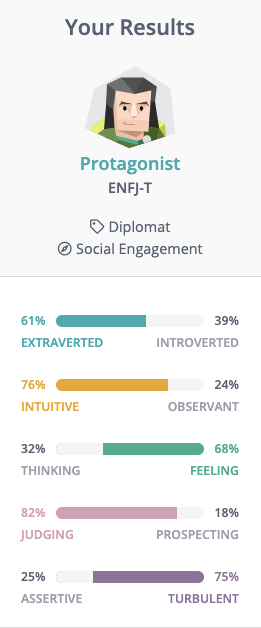
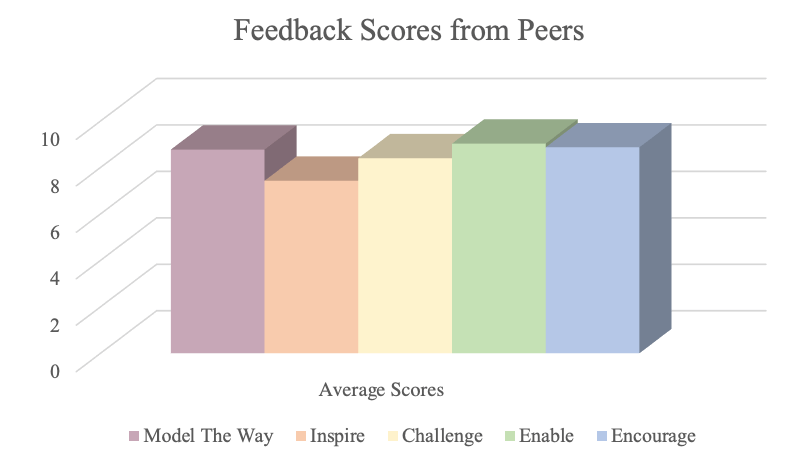

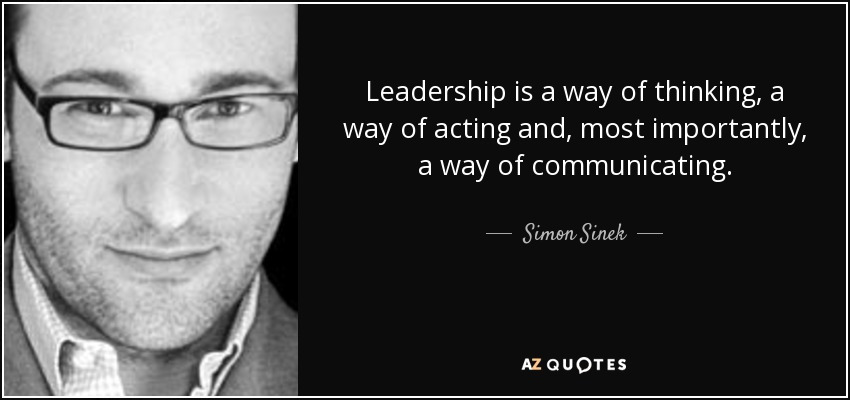


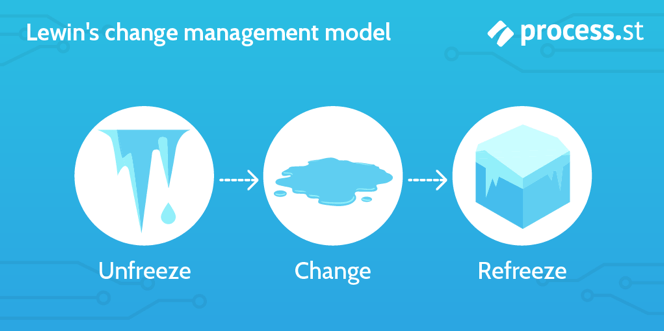
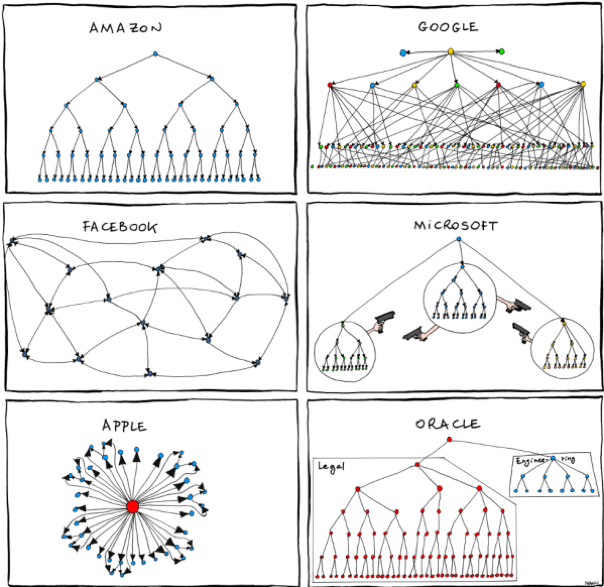

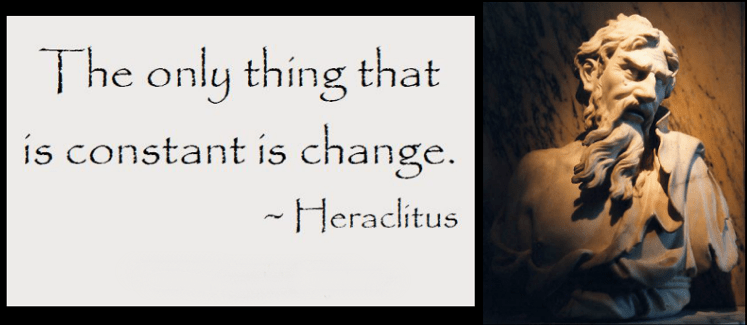


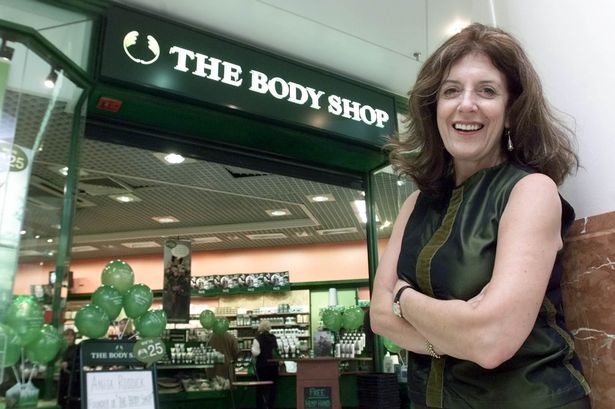
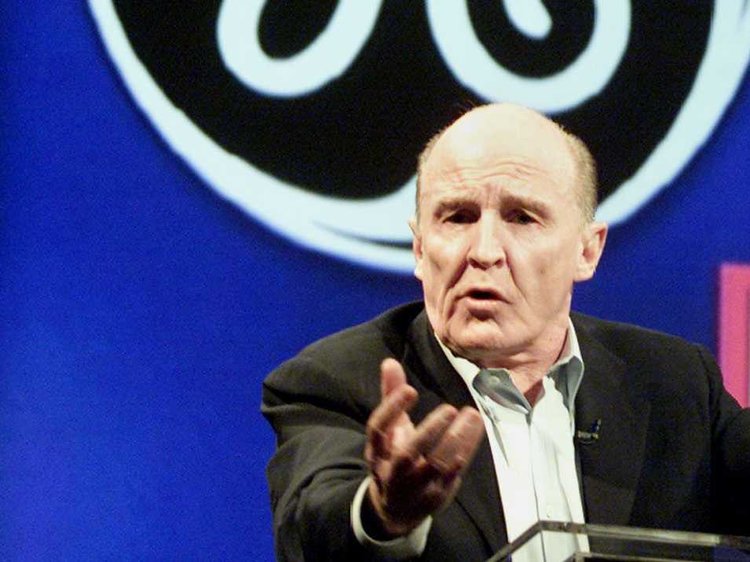

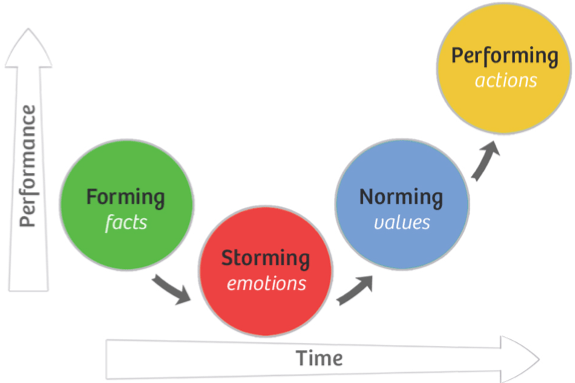

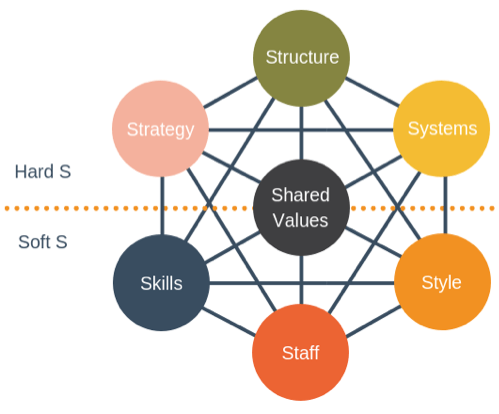



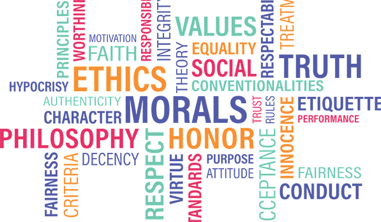
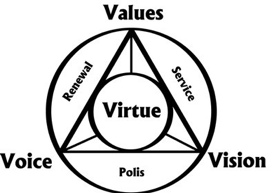
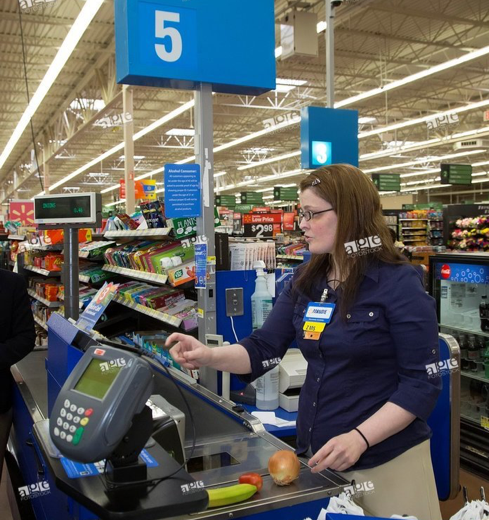
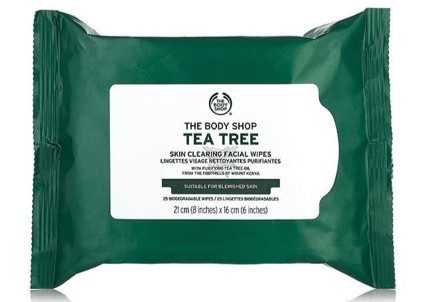
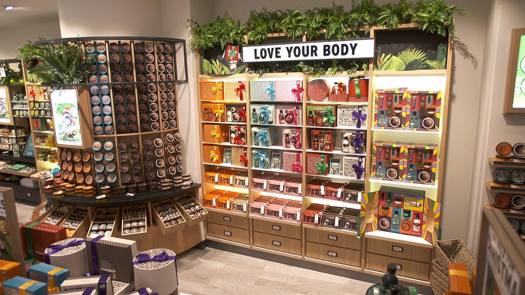
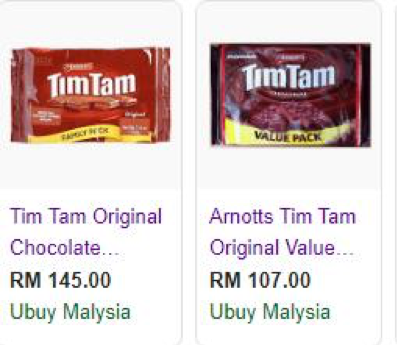



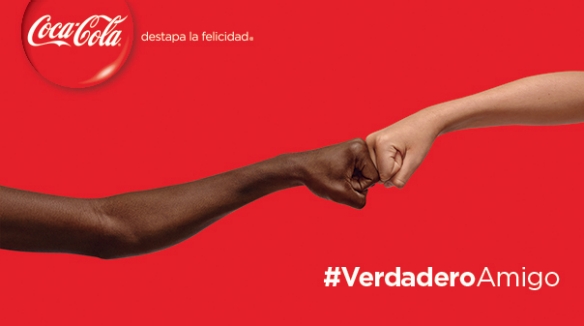


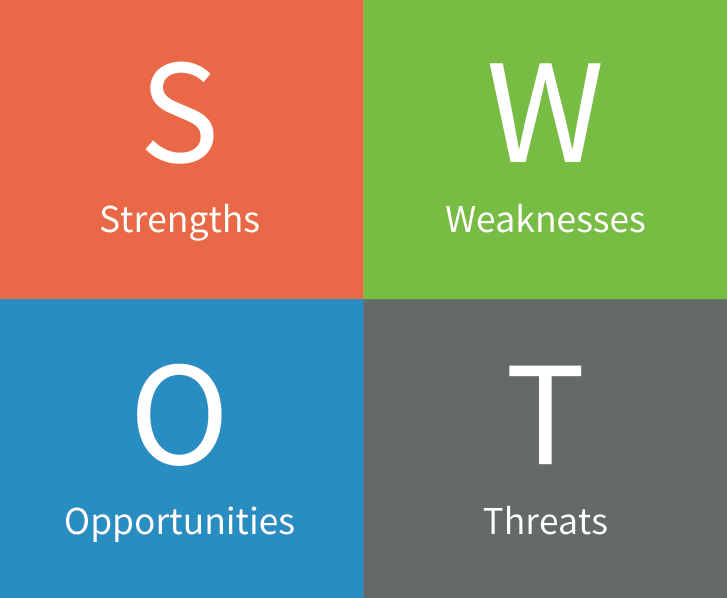
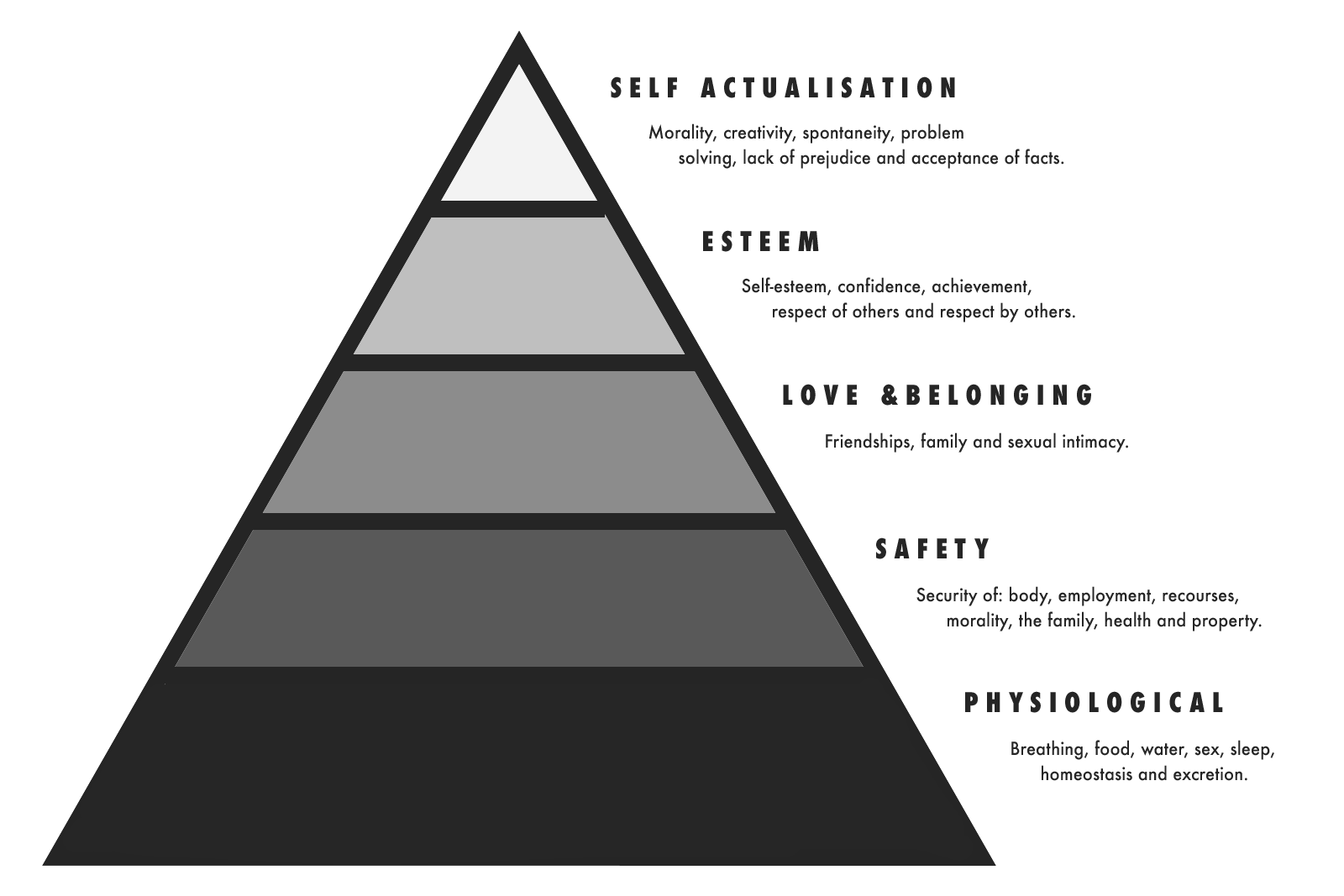

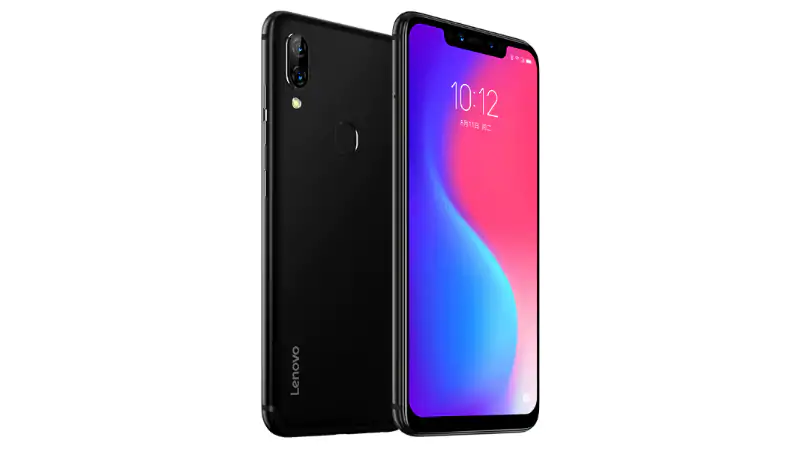

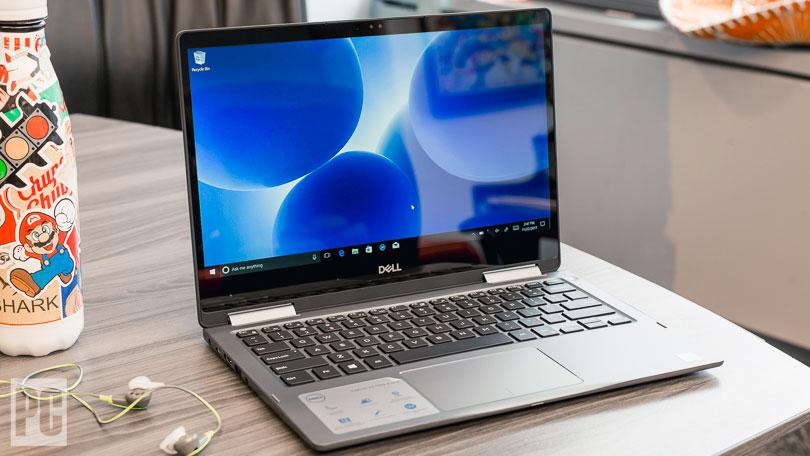
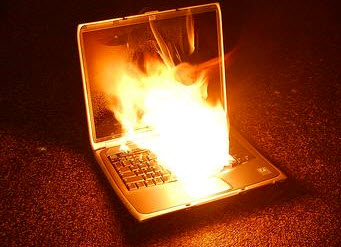


 MBA
MBA 